Category: Pet Blog

  • A Complete Guide to Prepare Your Pet for a Successful Dental Surgery

    A Complete Guide to Prepare Your Pet for a Successful Dental Surgery

    Preparing your pet for oral surgery is a task that should not be ignored. Similar to humans, pets may go through dental issues that require surgery. Oral surgery can be distressing for both you and your pet. However, with the right preparation, you can make your pet feel more comfortable throughout the surgery and increase your chances of a positive result.

    How to Prepare Your Pet For Dental Surgery

    Every pet owner must understand the importance of dental surgery preparation. This post will guide you through preparing you and your pet for dental surgery.

    Consult with your vet

    Consultation with a pet dentist in Clinton Township is the major and most crucial step in preparing your furry friend for oral surgery and the proper time to talk about potential issues and estimated costs and to provide helpful information for owners to make great decisions. The veterinarian will examine your pet’s dental health and recommend the right step. They will also provide you with specific guidelines on how to prepare your pet for surgery.

    During your consultation with the vet or surgeon, it is crucial to freely talk about any concerns or inquiries you have regarding your furry friend’s upcoming surgery and recovery. This will help you better know what to anticipate to help ensure that your pet obtains the best possible treatment before, during, and after their surgery.

    Follow pre-surgery instructions

    Your veterinarian will give you pre-surgery guidelines that you must adhere to closely. These guidelines may include dietary limitations, withholding water before surgery, and medications to provide or avoid. It is necessary to adhere to these instructions thoroughly to lower the risk of complications during and after surgery. Contact Snider Veterinary Services if you have any questions or worries about the pre-surgery guidelines.

    Get your pet used to the carrier

    Numerous pets get anxious or worried when traveling in a carrier. To help reduce tension, get your furry friend used to the carrier well before the surgery. Start by placing the carrier in a familiar place and leaving it open with a soft blanket or toy inside. Encourage your pet to explore and get used to the carrier at their own pace. As soon as your pet is comfortable getting in and leaving the carrier, gradually increase the amount of time they spend inside.

    Practice dental hygiene

    Preserving good dental hygiene is essential to your pet’s overall health and can help reduce the need for dental surgery. Begin by frequently brushing your pet’s teeth with a pet-friendly toothbrush and toothpaste. You can also provide dental chews or treats designed to promote dental health. Consult your vet to use the ideal products for your pet’s teeth.

    Prepare a comfortable recovery area

    After surgery, your furry friend will prefer a quiet and comfortable place to recover. Prepare a recovery place by choosing a cozy, quiet area with minimal foot traffic. Give a comfortable bed, blankets, and toys to help your pet feel safe and relaxed. Give plenty of fresh water, and monitor your pet closely during recovery.

    Follow post-surgery instructions

    The vet surgeon will give specific post-operative instructions to pet parents. These instructions include medication administration, thoroughly observing the pet’s actions and appetite, and booking follow-up checkups. Every pet owner must ensure the wound is healing properly by thoroughly observing their pet. If a post-operative examination is required, do not hesitate to seek assistance from your veterinarian. Consult your vet to learn more details about postoperative care.

    Final Thoughts

    Preparing your beloved pet for dental surgery requires cautious planning and preparation. Adhering to these guidelines and working closely with your vet can help guarantee a successful result and improve your pet’s overall dental health.

  • 6 Prominent Types of Pet Boarding Facilities

    6 Prominent Types of Pet Boarding Facilities

    What is pet boarding, and how to identify which type is best for your pet’s comfort? Leaving your pet at a boarding facility guarantees it will be well looked after while you’re away. Some provide daytime care, while others offer overnight and long stays for traveling pet owners.

    There are many types of animal boarding facilities. There are boarding kennels, doggie daycares, pet hotels, and boarding kennels run by veterinarians. This post will guide you through various pet boarding options so your furry friend can enjoy a comfortable and safe stay while you’re away.

    Pet Boarding Facility Options

    Find out about the various pet boarding facilities available and what you must do and know before leaving your dog or cat with a boarding facility to make the best choice for your fur baby.

    Dog Kennels

    The majority of people think of dog kennels when they think of traditional pet boarding. This type of boarding is more traditional because each animal has its own area. Owners may choose to keep them isolated if a dog is hostile, small, shy, or doesn’t socialize with other dogs. The majority provide three to four daily walks and opportunities for group socializing, or you can choose options like an individual run or pen.

    Doggy Daycare

    Many doggy daycares are places where you can leave your pet for a few hours throughout the day, but some also provide pet boarding. This option has gained popularity among working pet owners, as they offer everyday socialization with other dogs and numerous free-range exercise and group playtime activities. This is advantageous for social pets that like to play more than rest.

    Cat Boarding

    Similar to dog kennels, cat boarding in Milledgeville, GA, puts cats in specific areas. If your cat is not used to dogs, boarding with cats may be less stressful. Cats might be housed individually in cages or, if the facility is cage-free, they might share condos or suites with other cats.

    Vet Hospitals

    Vet hospitals and clinics with a pet wellness plan can be beneficial when your dog or cat has a serious health problem, requires constant care, or is still recovering from surgery conducted weeks ago. The pet’s health can be observed by a veterinarian, who can also provide medication as needed. Although pet boarding with a veterinarian can be more expensive than regular pet boarding, it assures pet parents.

    Pet Hotels

    A pet hotel provides luxurious accommodation for pets in a facility more typically known as a kennel or cage-free boarding. Facilities may provide entertainment options like televisions, spas, pools, individual and group playtime, and workout and socialization opportunities. For more information regarding the layout and structure of each pet hotel, review it separately and contact the establishment. They might provide different services and packages, but all will treat your dog like royalty.

    Private Pet Boarding

    Private, in-house boarding is an alternative to traditional pet boarding in which you bring your furry friend to someone’s home. These facilities are rarely recognized, but their devotion to animals and the home-like setting provides your pet with the comfort of a home environment and fewer pets to deal with, giving them more focus and playtime than other boarding facilities.

    Conclusion

    When pet parents need to leave their pets behind, there are different boarding options where to choose from. Pet owners can locate the best boarding facility for their pets and themselves by finding out about the various options. You can rest assured and enjoy your travel, knowing your pet is in good hands.

  • Dog Seizures: Key Facts and Information Every Pet Owner Should Know

    Dog Seizures: Key Facts and Information Every Pet Owner Should Know

    Seizures, also referred to as epilepsy, are dogs’ most common neurological problems. This can affect how they look and act. The majority of pet owners find it terrifying to see their beloved companion having seizures, and you may be thinking about what you can do to help your terrified furry friend. This post will examine the signs of seizures, various types, and causes, what to do if your dog has one, and how to treat them.

    In this section, find out more about the warning signs that your pet may have a seizure and what to do if you suspect one.

    Types of Seizures

    There are different types of seizures. Each type may show different signs and need various treatment options.

    Generalized Seizures

    A generalized seizure or grand mal seizure is the most typical type of seizure. These may last for a couple of seconds to a couple of minutes and are usually caused by irregular electrical activity in the brain.

    Dogs usually lose consciousness, fall to the side, have involuntary urination or defecation, excessively drool, and have rhythmic muscle contractions like jerking limbs, paddling, and chewing jaw movements.

    Partial Seizures

    Partial seizures, also called focal seizures, only affect one side of the dog’s brain or one particular area of the brain. There are two types of partial seizures: focal motor and psychomotor. In some cases, a focal seizure can become a grand mal.

    Focal motors are caused by neurons in one brain hemisphere firing abnormally and usually present as repetitive facial muscle movements or involuntary limb jerking.

    Psychomotor seizures can be hard to identify for dog owners and veterinarians as they usually do not cause a dog to fall to the ground. Instead, the dog might act oddly during this seizure, like running around and biting at inanimate things or overly chasing its tail.

    Causes of Dog Seizures

    Seizures can have different possible causes, some more severe than others. One or more of the following can result in seizures or convulsions:

    • Poisoning
    • Traumatic head injury
    • Kidney disease
    • Liver problems
    • Brain cancer
    • Anemia
    • High or low blood sugar level
    • Brain infection or inflammation
    • Stroke
    • Hydrocephalus
    • Low blood oxygen levels
    • Encephalitis
    • Vascular disease/Embolism

    These are only a few main reasons why seizures take place in dogs. A diagnostic test at the vet lab with your vet is the only approach to identifying the reason for a seizure.

    Symptoms of Seizures

    Numerous symptoms can help you identify whether your pet is having a seizure or convulsion, such as:

    • Collapsing
    • Jerking bodily movements
    • Stiffening
    • Muscle twitching
    • Loss of consciousness
    • Drooling
    • Chomping or tongue chewing
    • Mouth foaming
    • Uncontrolled excreting or peeing

    If you catch any of these signs in your dog, do not panic. However, if your dog experiences numerous seizures within a few minutes and does not wake up between them, you should take it to an animal emergency hospital immediately.

    Seizure Treatments

    When it comes to dealing with seizures, your vet may advise some medications. Depending on your pet’s situation, you must also consider some holistic options, such as:

    • Acupuncture
    • Chinese Herbal Formulas
    • CBD Oil
    • Food Therapy

    To properly deal with seizures and rule out any underlying issues, your dog will have a thorough physical examination from your vet, including complete lab work at Airport Pet Emergency Clinic.

    Be sure to tell your veterinarian about your pet’s medications or supplements. This will help your vet determine the most effective way to treat your furry friend based on their particular needs and lower the chance of a drug interaction.

    Bottom Line

    It’s never fun to see your pet have a seizure, regardless of how it happens. You may wonder what you can do to comfort your terrified pet; when this occurs, try to calm down before tending to your pet. Sadly, there is no way to stop your pet from having a seizure. However, regular vet checkups, including vaccinations and blood tests, may help discover underlying diseases that trigger seizures.

  • 5 Reasons that Make Turtles Great Pets

    5 Reasons that Make Turtles Great Pets

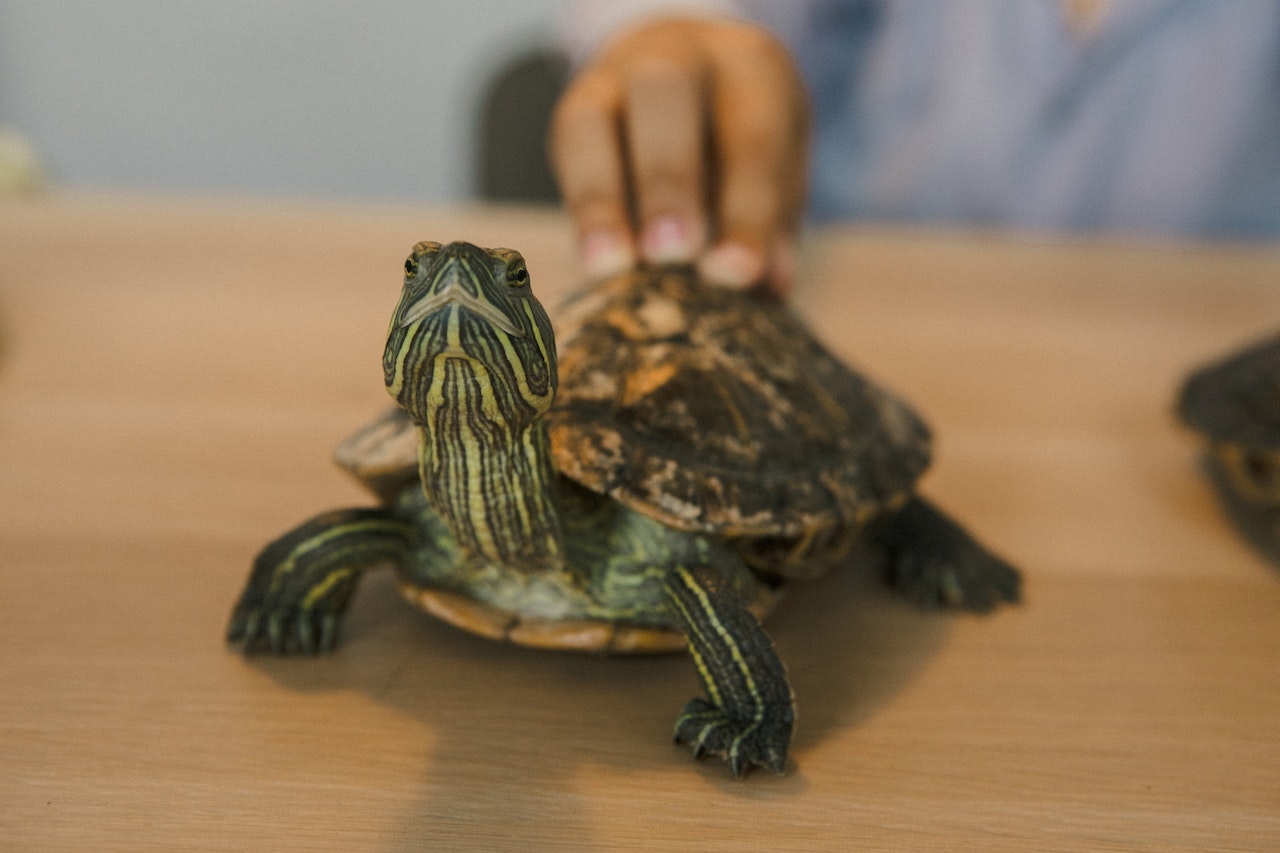
    Turtles are among the planet’s oldest living reptiles. Their slow movements, cute gestures, and hard shells distinguish them as pets. They’re tough, modest creatures who are also enjoyable to care for. Cats and dogs are popular choices for new pet owners. They are, however, much more expensive and difficult to maintain, especially if you are always on the go.

    Tortoises and turtles make adorable and excellent pets you may not have considered before. Now, let’s get into the practical reasons for getting a pet turtle.

    Why Should You Consider Getting a Pet Turtle?

    While turtles and tortoises appear to be low-maintenance pets with simple care requirements, they can live for decades and will necessitate a lifelong commitment. Furthermore, they are becoming more popular and attractive as pets. If you’re not a fan of turtles, you will be after reading the five reasons we’ve listed below.

    1. Cleaning outside their habitat is not needed

    The tank you will provide for your turtle is their entire world. This is why it’s critical to carefully select their home and surroundings, but it also means that you will not always clean up after your turtle’s mess. You only need to clean their mess when you change the water in their tank and clean what’s inside.

    Dogs and cats shed poop and leave messes in the home, which can be pretty troublesome. Having turtles as pets gives you peace of mind because you won’t have to clean up after them or scoop a litter box.

    2. No need for regular grooming

    Turtles, unlike traditional pets, do not require regular grooming, which is a significant advantage. They don’t have fur, which is another advantage for people allergic to pets. Furthermore, they do not require bathing or brushing, but there are a few things you can do to keep your shell and skin healthy.

    3. Relatively low maintenance

    Every pet has difficulties, and turtles are not exempt from this rule. Pet turtles, on the other hand, will cause you fewer headaches than more high-maintenance pets. Tortoises and turtles are small, which is one of the reasons they make good pets. They’re also low-maintenance and quiet. Your turtle can live a long, happy life and stay with you for decades with proper habitat, diet, and consistent care.

    4. Their enclosure is their universe

    While cats and dogs require freedom to roam the house, many turtles are perfectly content to live inside their enclosure. Because turtles will spend most of their time in their tank, selecting the appropriate tank is critical.

    Turtles will need larger tanks than you think. When purchasing turtles, always do your homework and become acquainted with everything they will require once they arrive at your home. You could also do yourself a favor and buy a larger tank for your pet turtle to grow into rather than upgrading as the turtle grows.

    5. Not picky eaters

    If you have picky eaters at home, your pet turtles will never exacerbate the situation. Water turtles are omnivorous, consuming feeder fish, worms, and green produce. You can also purchase ready-to-feed and nutritious pelleted diets from local pet stores. Tortoises are also not as difficult to care for.

    Most are herbivorous, eating vegetables, fruits, hay, grass, fresh greens, and pelleted tortoise diets. Vitamin and calcium powder on their food at least 2-4 times per week will benefit many reptiles.

    Know more about Birdcage Buying Tips: How to Choose the Right One

  • Birdcage Buying Tips: How to Choose the Right One

    Birdcage Buying Tips: How to Choose the Right One

    When looking into bird cages, you must clearly understand what you want. It is an important decision for the health of pet birds. A lot of your bird’s day will be spent in its cage, so it should be a comfortable, safe environment in which the bird delights in spending time.

    Congratulations on your new family member if you became a bird parent! Giving your bird the best care possible will guarantee its lifelong, happy life as a beloved friend. Picking a comfortable and welcoming home is the next step to take. Here are some guidelines that may help you choose among the variety of bird aviaries on the market.

    How to Choose a Bird Cage

    If you’re new to bird keeping and feeling overwhelmed by the seemingly endless range of bird cages offered in the marketplace, here are some essential things to remember while making your purchase:

    Safety comes first

    When shopping for a birdcage, security must constantly come first. Your pet bird’s safety might be affected by the materials used to develop the cage, the existence of any sharp corners or edges, the choice of materials, and the colors used.

    Cages should be made from stainless steel or painted with safe paint and baked in the oven for maximum durability. We advise against using plastic-coated wire. Birds can conveniently break soft or delicate plastics and consume them. Cage cables that are welded together need to be adequately durable to prevent the bird from breaking them, and all sharp corners and cuts must be smoothed and finished to prevent injury.

    Get the biggest cage possible

    The most common error is picking a cage that is also tiny. If you care about the joy and wellness of your birds, you should get the biggest cage you can manage. Cages need to be at least the minimum size specified for each bird species and should be considerably larger if several birds are kept inside.

    Bar spacing is crucial

    It’s not simply the general size of the cage that matters for your bird’s health; the bars’ size and spacing play a significant role, too. If the spacing is too wide, the pets might get stuck or fly out of the cage; nevertheless, if it is also small, the animals might harm themselves by catching their feet, beaks, or wings. Other than that, the specific thickness matters. A thinner wire will work if you’re attempting to attract smaller birds. However, the bars must be heavier and stronger to prevent the bird’s weight from flexing or breaking them.

    Maintain the health of your birds

    If you care about the health of your birds, it’s important to invest in a cage that’s the appropriate size and form for them. Birds may come to be disoriented and create emotional concerns if kept in a round cage. For many birds, width is more significant than height; therefore, a rectangular cage is normally the best choice. Smaller birds like parakeets, finches, and canaries, in particular, benefit from this because they can obtain some exercise by flying back and forth in the cage.

    Birdcages must be easy to clean

    The birds’ hygiene should be your top priority while deciding on a cage for your feathery friends. Since birds are usually unpleasant, the bird cage should be easy to clean. Because of this, you need to select a cage where your hand can reach into each compartment. It will help if you are looking for a cage with a wide door and a removable tray.

    Don’t forget this information when looking for a bird cage, and you’ll be able to relax and appreciate your feathered friends with the confidence that comes from recognizing you’ve provided a secure home.

    Are you looking for some home aquarium tips? Check this article 5 Major Advantages of Having Fish Aquariums at Home

  • 5 Major Advantages of Having Fish Aquariums at Home

    5 Major Advantages of Having Fish Aquariums at Home

    While it may seem strange that fish is one of the cutest pets, they come with many benefits. It has also been said that fish tanks in homes are a symbol of wealth. Many people have demonstrated that having fish tanks can have numerous health benefits. In today’s busy world, people need to relax their minds to help them function in their best state each time they get back to work.

    If you’ve been debating whether pet fish is a good idea for you and your family, we’re here to help. As we go along, we’ll talk about why people should consider installing fish aquariums in their homes and the benefits they can provide.

    The Value of Home Aquarium Fishes

    In these troubled and stressful times, home aquariums can be beneficial. If you read all the way to the end, you’ll be surprised at how many advantages home aquariums can provide. If you’ve never tried fishkeeping as a hobby, here are five compelling reasons to do so.

    1. Enhances sleeping patterns

    Because having aquariums in your home reduces anxiety and stress, you’ll begin to notice more consistent and improved sleep patterns. The calming nature of fish aquariums can assist people in relaxing, resulting in a better night’s sleep. Furthermore, the sound of the aquarium’s filter system can be used as “white noise.” This mimics the effect of rain sounds, making it easier for people to fall asleep at night.

    2. Does not necessitate a lot of upkeep

    Fish aquariums can add aesthetics and beauty to your home, but they will never be that expensive. You can take your time purchasing items such as rocks, plants, filers, fish, filtration systems, and others without feeling so empty and broken. Furthermore, your home fish tank could be your luckiest possession.

    3. Alleviates stress

    Many health professionals believe aquariums can reduce anxiety and stress because of the calming effects of nature. Furthermore, they have similar soothing effects to the sound of running streams and ocean waves, both relaxing and mesmerizing. Additionally, this calming effect can help people who live in high-stress environments.

    It even happened when workplaces were advised to install aquariums for stress-reduction purposes.

    4. Reduces heart rate and blood pressure

    A study conducted by experts from a specific university discovered that people who stare at swimming fish have lower heart rates and blood pressure. According to studies, people who stare at empty fish tanks with only seaweed and rocks have a 3% lower heart rate.

    Furthermore, when fish was added to the mix, this was reduced by more than 7%. If you have senior citizens or parents living with you, having fish aquariums in your home can improve their health and even help lower blood pressure and heart rate.

    5. Can be your child’s friend

    Nowadays, many children lack patience in all areas. Many parents nowadays are too busy and don’t have enough time for their children, which can negatively impact a child’s character and attitude. However, fish can be a child’s good friend. It’s been shown to have numerous positive and safe effects on a child’s future. When children spend lots of time watching fish swim, they learn to be self-sufficient and have no adverse side effects.

    Here’s another advantage to keeping fish as pets. They can encourage and pique your child’s interest in reading.

    You might find this topic interesting for cat lovers out there – 6 Reasons to Get Yourself a Cat 

  • 6 Reasons to Get Yourself a Cat 

    6 Reasons to Get Yourself a Cat 

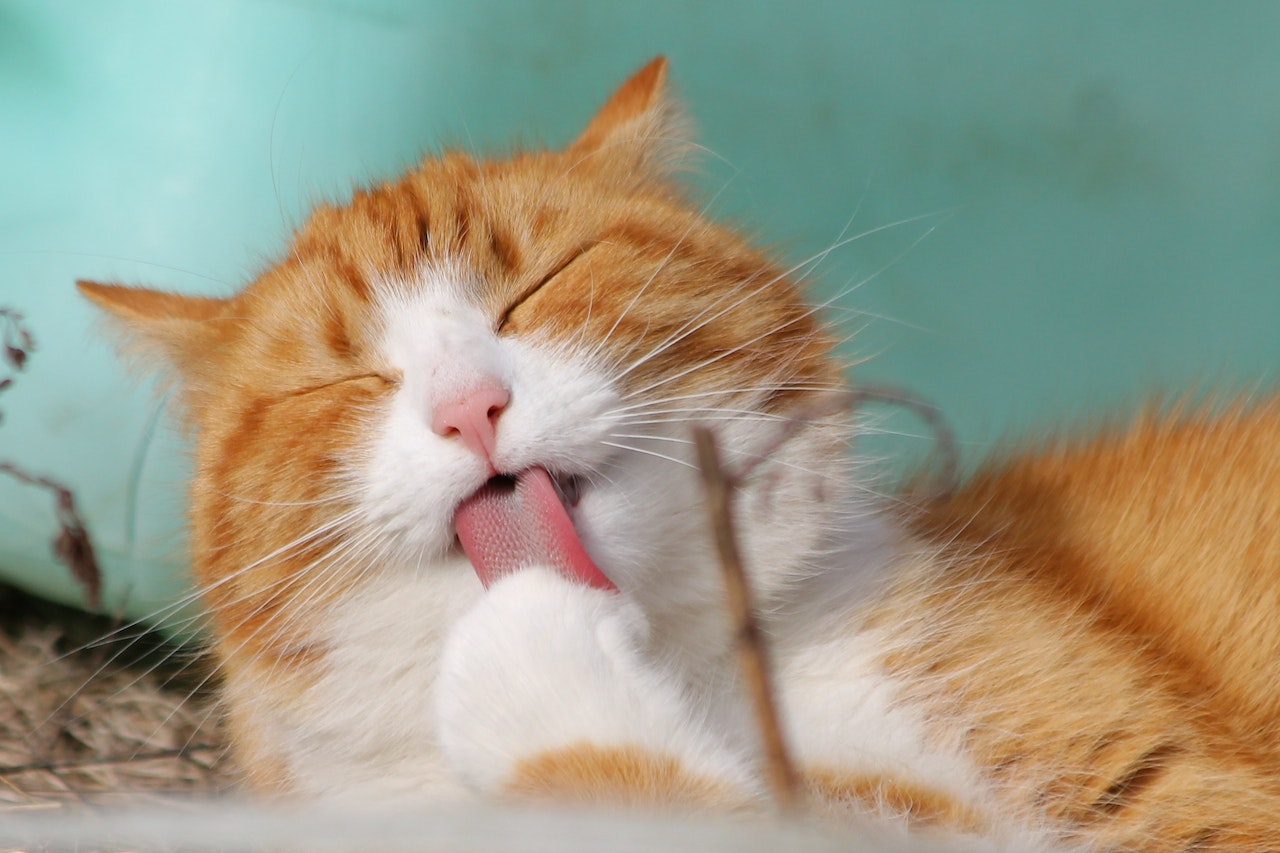
    Cats are fluffy, independent, cute, and loved by many people on the internet. Owning one can be a significantly rewarding experience, and it’s scientifically proven that having a furry feline can benefit human health. While most people identify cats as independent animals that love to explore and scavenge on their own terms, they can be very affectionate to the people they trust.

    Have you watched cute cat videos and found yourself smiling after? Everyone did, and we’re here to tell you that making you happy is not the only thing feline buddies can do. As we get going, we’ll find out more about the benefits associated with cat ownership.

    Why You Should Consider Owning a Cat

    One reason why many people choose feline companionship is because of its versatility. Whether you live in a tiny apartment or a big mansion, cats can still provide the play and fun of large animal pets. If you’re planning to own a cat, below are five incredible benefits you could expect

    1. Lowers stress levels

    If you’ve tried stroking and cuddling your furry feline’s fur, you’ll feel good and somewhat relaxed. Moreover, it can also reduce the body’s cortisol levels, which are stress hormones, and boosts oxytocin, the feel-good love hormone. Petting a cat gives you a sense of well-being and connection. This connection may help address loneliness, which is a stressor of the body.

    2. Increases levels of happiness and positive emotions

    Face time with a furry companion can boost your mood even if the moment is through computer screens. In a survey conducted in the year 2015, thousands of people described how they feel each time they see a wave of internet cat videos that pop in their feed. According to the results produced by the survey, most people felt better, had higher positive emotions, energized feelings, and lower levels of negative emotions from just watching and looking at the cat videos and pics.

    3. Makes your room quieter

    Cats make the best choice if you’re looking for pets that are not as loud as dogs and noisy as other animals. Even their insistent meowing will be quieter than the quietest bark of dogs. However, you may still need to worry about sounds like them running around fast and knocking things from your surfaces. Overall, cats are still quieter and more modest than dogs.

    4. Helps you save money on maintenance

    When you know that vet visits and expensive maintenance for pets will be a hassle for you, cats are the better option than dogs. Felines are low-maintenance pets and do not require to be taken outdoors many times a day. They don’t need formal training and can clean themselves efficiently. However, note that long-haired cats require regular grooming and may take more time before they get groomed again than long-haired dogs.

    5. Reduces risk of stroke

    All pet owners know that caring for any type of pet can be like looking after a child. However, cats are different as they’re low-maintenance. Some sources state that this can contribute to lower chances of stroke for cat owners.

    6. Keeps your house pest-free

    Cats love to hunt rodents. Moreover, they’re natural insect hunters and killers, effectively offering the level of protection Venus flytraps rarely deliver. Cats love exterminating home insects and bugs like flies, spiders, and cockroaches. The funny thing about cats is that you don’t have to order them around to go and catch the pests in your home, as you can count on them to eliminate those off like they’re paid for it.

    Learn about Five Tips for Keeping Your Dog Safe This Summer

  • Five Tips for Keeping Your Dog Safe This Summer

    Five Tips for Keeping Your Dog Safe This Summer

    You love traveling with your pet. However, what happens if the place you’re going does not allow pets? What should you do? Can you leave your pet in your car? This is fine on cold days; however, now it’s summer. Temperatures inside a closed vehicle can get to above 100 degrees (even on spring and autumn days that aren’t all that hot outside), and a fast car can heat up in minutes.

    Also, remember that your dog is protected from the scorching heat of the day by his fur coat, so never put a muzzle on him when it’s particularly hot outside. Leave your dog at home when it’s too hot outside (indoors or under shade, always drinking water). Leave someone in the car with them if you have to stop quickly.

    Summer Dog Safety Tips

    The summer season is the best time to go with your pet for a walk in the park. You can visit the beach, host an outdoor barbecue, or stroll in the garden this time of the year. It may be pleasing to cool off with an iced drink as the sun is beating down, but remember that your dog could be feeling the same way. The summer months can be dangerous for dogs. Here are five quick safety guidelines:

    1. Provide water and a shaded place to rest.

    We’ve all heard that dogs aren’t as adept at controlling their body temperature as human beings. On a scorching day, they should remain inside. It is required to give your pet an environment that is a cool and comfortable space to rest when you are out in the heat. Water is vital, and you shouldn’t overlook it.

    2. Find a cheap plastic pool.

    Are you planning to take a dip in the pool, one of your top things this summer? Your dog is probably on the same page. You should invest in cheap plastic toys (dogs’ nails could puncture an inflated one). If a pool isn’t available, a sprinkler or hose can provide entertainment and refreshments.

    3. Take your dog for an outing during the more chilly hours.

    If you take your dog for walks regularly, you should walk in the early morning hours or late afternoon when the sidewalks aren’t very hot. Your dog’s feet will be burnt by hot sand or concrete. Avoid walking on asphalt or concrete if you must do it during the day.

    4. Always give them fresh water.

    Be sure that you never let your pet drink water from lakes, oceans, or even swimming pools when you’re on a swimming vacation since this could be dangerous for him. If too much saltwater gets consumed by a dog, it can lead to dehydration, vomiting, and even death.

    5. Check for warning indicators of heatstroke.

    It’s essential to spot the signs of heatstroke symptoms in your pet and get your pet to the vet immediately. Drooling, heavy panting, and glowing red gums are early signs of dog heat stroke. Vomiting, lethargy, and yellow gums are indicators of extreme heat exhaustion.

    Your pet and your pet will have a wonderful summer if you follow these simple safety guidelines for dogs during this summer season.

    Know more about Five Best Pets to Consider for Your Child 

  • Five Best Pets to Consider for Your Child 

    Five Best Pets to Consider for Your Child 

    The majority of children like having pets. Pets help teach children the importance of responsibility, love, and care for other living creatures. Parents should give their children clear instructions or guidance in dealing with pets. Families will have a great time caring for their pets, enhancing bonding. Families, as well as pets, can participate in a variety of activities together. The act of taking your pets for a stroll, for instance, will help you get more fit.

    Pets For Children

    Are you aware that your child reached the point where they’re asking for pets all day long? We all know that owning a pet entails many responsibilities, and choosing which pet is best for your child and your entire family may be difficult. We’ve provided the most popular five pets for little children. These pets are perfect for introducing your child to pet ownership and helping them feel great with their first pet.

    Guinea Pigs

    They are tiny animals that can be housed in cages inside. Guinea pets should be a source of encouragement for children to take responsibility to take care of themselves. They’ll teach kids to take care of their pets each day, such as grooming to avoid knots in their fur. They’re the ideal stepping stone for your family if they want to get a bigger pet.

    Birds

    Why not get your child an animal for their first pet? Small birds are an excellent option to get a pet first. A finch, canary, or parakeet are among our best recommendations for those who decide to purchase a bird. They all require an enclosure to live in and food and areas to play around in as pets. They’re simple to care for and don’t require any care or time with a single person due to their nature. They’re low-maintenance, and these pets can teach your child a sense of the importance of responsibility and how to take care.

    Fish

    As a primary pet, fish are an ideal choice. They teach children the basics of pet ownership without the huge burden of larger animals like cats or dogs. Your child will have plenty of options as many kinds of fish to choose from. Goldfish, platyfish, swordtail fish, and betta fish are among our top picks. Each is low-maintenance in its unique way. Tank maintenance and feeding are their primary requirements.

    Gerbils

    Gerbils are cute little rodents. They resemble mice and are safe for children. The maintenance is also very low. They’ll require to be kept in cages that need to be cleaned regularly. These are creatures that sleep at night. They are extremely affectionate and are an excellent companion for bonding in a loving relationship with your child. Gerbils are a perfect choice for those who have never had pets before.

    Lizards

    What better way to welcome the lizards into your home to find something that is a bit more exotic? Perhaps your child is intrigued by exotic animals, but you are uneasy. They are a great pet to teach your kid about the importance of ownership and responsibility, So don’t be scared. Iguanas or leopard geckos are a great choice. They inspire commitment and are low-maintenance. They don’t get very big, so it isn’t difficult to find a suitable place to live.

    Read more about 5 Reasons that Make Turtles Great Pets

    Conclusion

    Some of the most well-known are included in this list of pet options to be added to your family. Each pet provides your child the opportunity to learn about the responsibility and love for pets without being overly demanding. Remember to purchase pet insurance after you have adopted your pet. It can protect you from unexpected financial difficulties and unpleasant medical expenses if the pet suffers from a health issue or incident-related fear. It is fun to choose your new pet and watch as your child and your pet the soil grow and mature together.

Privacy Overview

This website uses cookies so that we can provide you with the best user experience possible. Cookie information is stored in your browser and performs functions such as recognising you when you return to our website and helping our team to understand which sections of the website you find most interesting and useful.