Author: Johanna

  • What are the Key Signs Indicating My Pet Might Need Surgery?

    What are the Key Signs Indicating My Pet Might Need Surgery?

    Understanding the health and well-being of your furry friend isn’t always straightforward. Pets have their way of hiding pain or discomfort, making it challenging for pet parents to notice something amiss. However, some tell-tale signs can alert you that your pet may need surgery. So, let’s dive into understanding more about them.

    Understanding Pet Health

    A whole-hearted approach to pet health involves numerous aspects, such as regular check-ups, vaccinations, grooming, and dental care. These components are pivotal in maintaining your pet’s health and well-being. It’s important to remember that pets are quite adept at hiding their issues – a trait inherited from their wild ancestors to appear strong and not attract predators.

    Pets can possess similar symptoms for various conditions, making professional diagnosis paramount. A comprehensive veterinary health check at institutions like a full-service veterinarian clinic can help rule out serious issues and provide a thorough health analysis. These clinics can often diagnose your pet’s condition correctly and recommend appropriate actions. Feel free to visit them from websites like https://www.tlc4pets.com/site/home for further information.

    Recognizing Signs of Illness in Pets

    Pets, like humans, can get sick, and often, they are good at hiding their discomfort. This makes it crucial for pet owners to stay attuned to their pet’s normal behavior. Any deviation from the norm may indicate an underlying issue. While not all changes necessarily mean your pet is sick, familiarizing yourself with common signs of illness can help you take quick action and provide your pet with the necessary medical care. Here are some signs your pet might be unwell:

    • Changes in Eating and Drinking Habits: Pets may eat less or not at all when unwell. Overeating can also be a sign of illness. Similarly, drinking less or more water than usual can indicate problems like diabetes or kidney disease. Noticing changes in food or water consumption is essential.
    • Weight Loss or Weight Gain: Sudden weight loss or gain can signal underlying health problems. Illnesses such as diabetes, thyroid problems, or even cancer can lead to changes in weight.
    • Changes in Behavior or Mood: Pets can show behavioral changes when uncomfortable or ill. This can include lethargy, increased aggression, or other changes such as increased fear or nervousness. Physically, they could also start moving differently or show a reluctance to exercise.
    • Droppings or Urinary Changes: Any change in the color, consistency, frequency, or amount of your pet’s urine or stools could indicate unwellness. Blood in urine or stool, diarrhea, constipation, or frequent urination needs an immediate veterinary consultation.
    • Persistent Scratching, Licking, or Shaking: If your pet persistently scratches, licks a particular area, or frequently shakes his head, it could signify an issue like parasites, allergies, or ear infections.
    • Bad Breath: While a pet’s breath isn’t typically fresh, extremely unpleasant or changed mouth odor can imply oral health problems or underlying diseases.
    • Changes in Breathing: Any changes, including rapid breathing, excessive panting, or difficulty breathing, could be signs of heart disease, lung disease, or heat stroke.
    • Unusual Sounds: Sounds like coughing, wheezing, or abnormal vocalization can indicate distress or illness in pets.
    • Changes in Appearance: Changes in your pet’s coat, skin, eyes, gums, or other body areas can indicate health issues. Hair loss, redness, lumps, or swelling should not be ignored.

    Remember, the above list is not comprehensive, and there could be many other signs of illness based on your pet’s specific species and breed. If you notice any concerning changes in your pet’s behavior or physical appearance, seek veterinary advice immediately.

    Pet Vaccination and Parasite Prevention

    Preventive care, like routine check-ups and vaccinations, plays a major role in a pet’s health. Vaccinations like kitten shots protect pets from rabies, distemper, and feline viral rhinotracheitis. Similarly, parasite prevention safeguards your pets from internal and external parasites. Regular weight checks, dental checkups, and deworming are components of an effective prevention routine.

    When is Pet Surgery Needed?

    Determining if a surgical intervention is required involves thoroughly evaluating your pet’s health, diagnostic test results, and, sometimes, the response to medicinal treatments. Some conditions requiring surgery include persistent lameness, traumatic injuries, and unexplained weight loss.

    Professional veterinary evaluators, like the adept pet surgeons in Groton, CT, are highly trained to make these assessments. They can provide the correct surgical intervention needed for your pet, ensuring your pet’s safety and reducing the risk of complications.

    Preparing Your Pet for Surgery

    Specific preoperative procedures are essential to perform surgery safely. Fasting is often required to prevent the risk of aspiration pneumonia. Verifying the pet’s health status via diagnostic tests, making arrangements for pain control, and providing pre-anesthetic medications are also integral preparations.

    What to Expect During Pet Surgery

    The surgical process often includes pre-medication, induction, maintenance of anesthesia, surgical procedure, recovery, and post-operative care. The protocol varies depending upon pet species, breed, age, and other factors. It’s vital to understand these procedures well to support your pet during this period.

    Post-Surgery Care for Your Pet

    Proper care following surgery often includes adequate rest, timely medication, and restricted activity. Incision site care, handling potential surgical complications, and knowing when to seek veterinary assistance are crucial aspects of post-operative care. Regular post-operative checkups are also necessary to evaluate the healing process.

    Keeping Your Pet Healthy

    Adhering to a comprehensive preventive care routine that includes vaccinations, dental cleaning, and timely checkups can minimize the risks that lead to surgery. A healthy diet and adequate exercise contribute to your pet’s overall health.

    Conclusion

    In conclusion, understanding the signs your pet may require surgery can be crucial to their well-being. Regular veterinary check-ups, early symptom detection, and understanding the surgical process are pivotal elements. Proper surgical and post-operative care can significantly impact the well-being and recovery of your beloved pet amiably.
  • What Are the Signs that My Pet May Need Emergency Vet Care?

    What Are the Signs that My Pet May Need Emergency Vet Care?

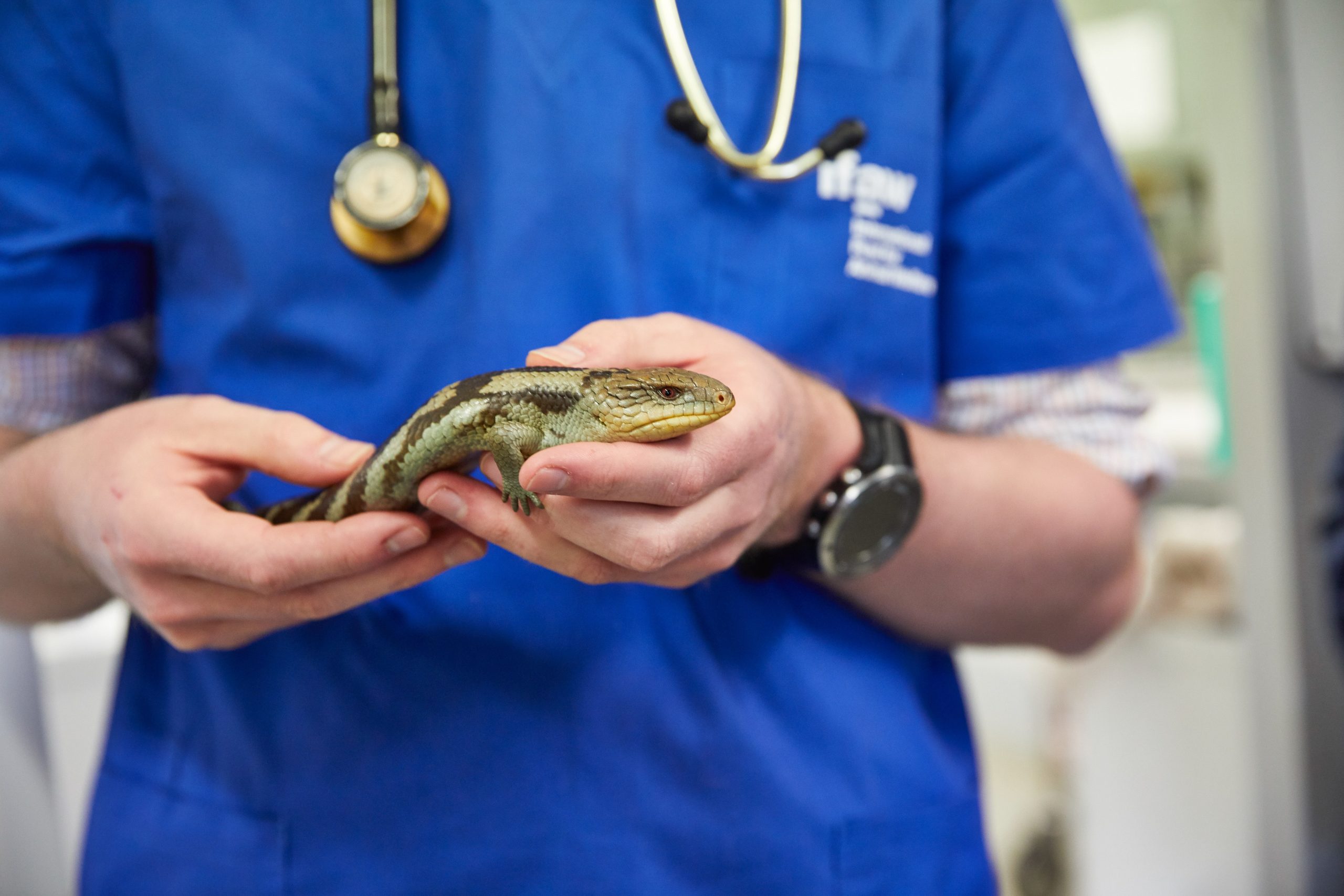
    Pet emergencies can happen anytime, and recognizing the signs can save your beloved pet’s life. This article focuses on the vital aspects of pet care, including identifying pet health issues, understanding emergency vet care, and knowing when to seek urgent care for pets.

    Identifying the Need for Emergency Vet Care

    Pets often conceal their discomfort, making it hard to identify when they’re in pain or distressed. Knowing the signs of pet emergencies could make all the difference.

    Signs of Pet Emergency That Require Immediate Attention

    Recognizing signs of ill health in pets can be crucial in getting them the emergency care they need on time. It could mean the difference between a temporary discomfort and a serious, life-threatening condition.

    Here are some signs of pet emergencies that should never be ignored.

    • Uncontrolled pet bleeding: If your pet has a profusely wound that doesn’t seem to stop, this could be a sign of a serious emergency. This might be a serious injury, such as a deep cut or a broken bone. It’s also not just external bleeding that is a concern. Internal bleeding can also occur, often recognizable through signs such as pale gums, coughing up blood, or blood in the urine or feces.
    • Pet vomiting or diarrhea: While mild upset stomachs might not be a cause for concern, persistent vomiting or diarrhea, especially if blood is present, signifies that your pet needs immediate medical attention. It could indicate anything from an infection to poisoning and warrants an inspection by a professional.
    • Abdominal swelling in pets: If your pet’s abdomen suddenly becomes swollen or distended, it’s a clear sign that something’s wrong. There are several reasons why this might occur, including bloating in dogs, fluid accumulation due to heart disease, or potential organ failure.
    • Unusual behavior: Behavior changes like pet seizures or a lapse into unconsciousness are an immediate red flag. These signs could indicate a neurological issue or result from an injury, stroke, or brain tumor.

    Caring for our pets can sometimes require a calm head in a crisis. While navigating through animal emergency care can be daunting, know that every step taken is crucial for your pet’s well-being. It’s also beneficial to explore options that could support your pet’s well-being in the long term. Therefore, you might want to read more about pet wellness plans. These plans can offer routine care, preventative measures, and even emergency coverage.

    Additionally, a visit to an emergency vet clinic could mean saving the life of your fur family, so take action promptly when you witness the signs. Remember, watching for these emergencies and acting can ensure your four-legged companion leads a long, healthy life.

    How to Provide Initial Pet Care

    Before vet assistance, you can take steps to alleviate your pet’s distress. However, remember these are temporary measures before the animal can get professional aid.

    • Firstly, apply pet first aid principles if your pet has fractures. Remember to cause minimal discomfort while you immobilize them.
    • In case of pet choking, try to dislodge the object, but be careful not to hurt yourself or push the item further down.
    • Knowing how to do basic CPR for pets can keep them alive till you reach the clinic.

    In case there’s uncontrolled pet bleeding, apply a clean gauze pad over the wound. Applying pressure can help in clot formation. Learn how to muzzle a dog to prevent any bites.

    Understanding Urgent Care for Pets

    In certain situations, a faster response is crucial. Conditions like difficulty in pet breathing, severe pet injury, and poisonous ingestion by pet demand urgent vet care. Always have the contact of an emergency vet clinic just in case these situations arise.

    Preparation for Potential Pet Health Crises

    Preparation is key in dealing with pet health crises. Get familiar with your local animal emergency care available. Knowing where the nearest help can be accessed can make a lifesaving difference. Animal hospitals like Pacific Crest Vets are part of the system, committed to offering top-notch emergency services to pets. This clinic boasts a highly trained team, open to treating complex conditions that require critical care for pets.

    Getting to Know the Animal Emergency Care System

    In case of an animal health crisis due to poisonous ingestion, being conversant with the Animal Poison Control Center is key. They offer vital guidance about the steps before your pet can get vet attention. Understanding the financial responsibilities of pet emergency care is crucial.

    Situations requiring intense vet intervention, like surgeries or prolonged hospitalization, can rack up high bills; hence, a plan must cushion you from these sudden expenses. Pet insurance plans can be a useful means to finance your fur friend’s emergency needs.

    Conclusion

    Recognizing signs of a pet emergency is crucial for every pet owner. Awareness of these signs can save your pet’s life from uncontrolled bleeding to unsettling behavior changes. Equipping yourself with knowledge on pet first aid and maintaining crucial contacts such as your local emergency vet clinic and the Animal Poison Control Center is key. Proper financial planning for pet emergency care can also prevent undue stress. Regular check-ups are essential for early detection and treatment of pet health issues.

  • What to Expect After Your Pet’s Vet Dentistry Procedure?

    What to Expect After Your Pet’s Vet Dentistry Procedure?

    As a pet owner, you’re devoted to the happiness and well-being of your pet. You provide food, shelter, and endless love. One essential aspect of our pets’ lives that often goes unnoticed is their oral health. When your pet has gone through a dentistry procedure at the vet, it is important to understand what to expect afterward. This knowledge will help you take care of your pet in the best possible way, ensuring their quick recovery and return to a happy and healthy life.

    Post-Dentistry Procedure Considerations

    After a dog dentist procedure, your pet might act differently than usual. This behavior is quite normal, and there is usually no reason for concern. Here are a few things you should consider:

    • Observe Your Pet’s Behavior: Some animals may become a bit groggy. They may also sleep a lot and eat less. Keep a close eye on your pet and note any significant changes.
    • Monitor Pain and Discomfort: After a dental procedure, they may exhibit discomfort in the mouth area. If they seem to be in dire pain, make sure to contact your vet.
    • Check for Weight Changes: Sometimes, dental care for pets entails dietary changes, which can cause your pet to gain or lose weight. Keep a close check on your pet’s weight and consult your vet if there are abrupt changes.

    Overall, patience is required to deal with pets after a dentistry procedure. Keep a close eye on them, show them lots of love, and give them some time to recover fully.

    After Your Pet’s Vet Surgery

    It is only normal to be slightly anxious about looking after your pet post-surgery. However, knowing a little more about effective dog surgery treatments and post-operative care methods can help reduce that worry to a significant extent.

    • Keep Them Comfortable: After surgery, your pet needs to rest and recover. Make sure they have a comfortable space to relax in.
    • Monitor Their Food Intake: They may not eat as much as usual after surgery. This is normal, but if they refuse to eat entirely, contact your vet.
    • Pain Management: Pain is a normal part of the recovery process. Your vet will prescribe pain management medicines which need to be given on time.

    Remember, your pet’s recovery will vary based on their overall health and the type of procedure undergone. Some pets bounce back faster, while others need a bit more time. Be patient and keep a close eye on your pet.

    Post-Spaying or Neutering Procedure

    Spaying or neutering is a common surgical procedure performed on dogs to prevent them from reproducing. A convenient spay & neuter clinic in Jackson can make this process easy and stress-free. But what should you do post-operation?

    • Incision Area: It’s important to keep this area clean to avoid infection. Monitor the area for swelling, redness, or a warm touch. Watch out for any signs of discomfort in your pet, such as excessive licking or groaning.
    • Activity Level: Your pet might feel a bit low on energy post-surgery. It’s natural and necessary for their healing process. Avoid rough play and long walks for the initial few days.
    • Diet Control: Some animals can gain weight after being spayed or neutered. Be sure to manage their diet accordingly and ensure they get enough exercise once they’re fully recovered.

    By and large, ensure that you give your pet plenty of love and care after any surgery. They are likely to be a little scared, uncomfortable, or in pain, so your comfort will definitely make them feel better.

    To End

    In conclusion, as a pet owner, the welfare of your pet is your top priority. There can be times when your pet needs to undergo a medical procedure like dental treatment, general surgery, or a spaying or neutering operation. During such times, it’s normal to feel worried and anxious about your pet’s treatment and post-procedure experience. 

    However, by understanding what to expect and by being prepared, you can do your part in ensuring your pet recovers in a comfortable and stress-free environment. With enough care and attention, your pet will be up and running in no time!

  • When Is It Time to Rush Your Pet to Emergency Vet Care?

    When Is It Time to Rush Your Pet to Emergency Vet Care?

    Experts say pet owners should pay close attention to their pet’s behavior and overall health. But how do you know when it’s a minor illness and when to rush them to emergency vet care? Let’s explore this together to ensure you can make the right call when your furry friend is distressed.

    Understanding Your Pet’s Normal Behavior

    To accurately assess your pet’s health, it’s crucial to understand what constitutes normal behavior for them. Considerations during this assessment include typical energy levels, food and water consumption, and elimination patterns. Once these behaviors are familiar to you, you’ll more readily observe when something is off–a key to optimal pet health care.

    Signs of Abnormal Behavior in Pets

    Abnormal behavior in pets ranges from changes in eating habits, excessive sleeping or inability to sleep, and unusual isolation. It’s also essential to be mindful of and react to visible distress, such as whimpering, pacing, or hiding.

    • Changes in Eating Habits: This is often the most noticeable change for pet owners. A drastic change in a pet’s appetite or sudden weight loss or gain can indicate several diseases or illnesses, including dental disease, kidney disease, or even cancer. 
    • Excessive Thirst: Your pet drinking more than usual or sudden house-soiling may be a sign of diabetes or kidney disease. 
    • Excessive Sleeping: While it is normal for pets, especially cats, to sleep a lot, excessive or lethargy could signify an underlying health issue. 
    • Unusual Isolation: Pets like to be around their owners. So, if they are hiding or seem unusually aloof, this can suggest discomfort, pain, or feeling unwell. 
    • Changes in Behavior or Mood: If your typically mellow cat is now easily irritated or your always cheerful dog seems down and out, these behavioral changes can tell of an issue.
    • Altered Mobility: Difficulty walking, running, or moving can suggest various problems, from muscular pains and arthritis to serious ailments like neurological disorders. 
    • Vocalization: Increased or unusual crying, yowling, or vocalization in pets can be their means of communicating discomfort or distress. 
    • Altered Grooming Habits: Cats neglecting their grooming or dogs excessively licking a certain area can hint at skin infections, allergies, dental disease, or other illnesses.
    • Aggression: New or increased aggression can indicate various problems in pets, including pain, fear, anxiety, or neurological conditions. 
    • Self-mutilation: Pets chewing, biting, or licking themselves can indicate allergies, infections, or a form of anxiety.

    Recognizing Physical Signs of Illness in Pets

    Physical signs of illness can indicate a health issue requiring professional attention. Notably, unusual weight loss or gain, difficulty walking or moving, overt signs of discomfort, and visible injuries. Remember that fur can hide wounds, so grooming and petting, besides building connections, helps you spot any hidden dangers.

    Emergency Vet Care

    Emergencies call for immediate action. Situations such as seizures, difficulty breathing, non-stop vomiting, or diarrhea are when it’s time to rush your pet to an emergency veterinarian. Other critical conditions include trauma from an accident, poison ingestion, and noticeable pain or distress.

    When To Rush Your Pet To Emergency Vet Care

    Identifying the severity of your pet’s condition helps determine whether immediate attention is required. Trust your instincts and, if in doubt, consult with your pet’s veterinarian. They will guide you on immediate actions and next steps during a pet emergency.

    Routine Care Vet

    While it’s essential to recognize the signs of an immediate emergency, it’s equally important to establish regular pet health checks at locations like Lafayette Animal Hospital. Regular health checks help identify potential health problems before they become serious and provide an avenue for vaccinations, parasite control, and general medical advice.

    Preventive Care Vet

    Prevention is always the best course of action when considering pets’ health. Regular visits to the vet, a balanced diet, and regular exercise contribute to this. For resources on a care routine, follow this link for more practical information.

    The Role of Emergency Vet Hospital

    Experts at an emergency vet hospital assess and quickly respond to your pet’s health needs. Services range from immediate diagnostics to life-saving operations. Treatment plans are formulated to cater to each unique case, and In severe cases, hospitalization may be necessary for further care and observation.

    Prevention: Keeping Your Pet Safe

    Regular vet check-ups facilitate early detection of potential health issues and ensure your pet gets timely, preventive care. These routine examinations often stand between minor health problems escalating into serious conditions. Simultaneously, practicing safe habits at home, like eliminating reachable hazards and potential toxins, reduces the risk of pet accidents. Therefore, with awareness, timely intervention, and care, you can often prevent situations that demand emergency vet visits.

    Conclusion

    In conclusion, attentive observance of your pet’s behavior, regular check-ups, and preventive practices will go a long way in securing their health. Nonetheless, emergencies happen, and understanding when immediate attention from an expert is required can make a world of difference for your pet’s well-being.

  • What Types of Vaccinations Do Your Kitten and Puppy Essentially Need?

    What Types of Vaccinations Do Your Kitten and Puppy Essentially Need?

    Before diving into the specifics of pet vaccinations, it’s important to understand the basics of immunity and why vaccinations are important. Our immune system can be categorized as innate or adaptive. The innate system is something we are born with. It’s the first line of defense against pathogens. The adaptive system, on the other hand, learns from experience and generates long-term immunity.

    Vaccines train this adaptive system before the disease-causing organism invades the body. Introduced to the body as a vaccine, this disguised invader sparks an immune response, helping the body recognize and destroy the real invader when it strikes.

    Essential Vaccinations for Puppies

    Core Vaccines for Puppies

    Every puppy needs a baseline level of protection provided by core vaccines, regardless of their lifestyle or geographical location. These essential vaccines have been designed to protect against some of the most severe and frequently encountered diseases in dogs:

    1. Canine Parvovirus Vaccine: This life-saving vaccine combats Canine Parvovirus, a highly contagious and often fatal viral illness known to affect dogs.
    2. Canine Distemper Vaccine: Canine Distemper is a severe virus that impacts dogs’ respiratory, gastrointestinal, and nervous systems. This vaccine offers necessary protection against it.
    3. Canine Adenovirus Vaccine: Offering a shield against Hepatitis, a disease caused by the canine adenovirus, this vaccine is vital to preserve your puppy’s liver health.

    Rabies: The Essential Vaccine for Dogs

    Rabies is a deadly disease, and the vaccine against it is the only one mandated by law. Rabies can impact humans and dogs, making vaccination mandatory for all pups.

    Non-Core Vaccines: When Are They Needed

    Non-core vaccines are given depending on the dog’s lifestyle and exposure risk. These may include Bordetella, Leptospira, and Lyme vaccines. Consult your vet to assess the need for these vaccines.

    Essential Vaccinations for Kittens

    Core Vaccines for Kittens

    For kittens, specific vaccines are pivotal for their health. Notably:

    1. Feline Panleukopenia Vaccine: This vaccine combats feline distemper, a severe, often fatal, and highly contagious disease. Infection can lead to severe gastrointestinal symptoms and even neurological issues.
    2. Rabies Vaccine: Rabies is a fatal illness transmitted from animals to humans. Keeping your kitten vaccinated is crucial for their well-being and human safety around the pet.

    Non-Core Vaccines: Understanding The Requirements

    Non-core vaccines for cats are usually recommended based on their lifestyle and environment. These may include vaccines for Feline Leukemia Virus, Rhinotracheitis, and Feline Calicivirus. These additional vaccines might be necessary if your cat is frequently outdoors and exposed to other cats.

    Combination Vaccines: Are They Effective?

    Some vaccines are combined into one shot, known as combination vaccines or polyvalent vaccines. These may be beneficial to reduce the number of shots needed, but they could put extra stress on the pet’s body and immune system. Always consult your vet before making any decisions about combination vaccines.

    Puppy and Kitten Veterinary Care

    Along with vaccines, regular puppy and kitten health check-up is crucial in their early years. Regular visits allow vets to catch potential health issues early and keep track of your pet’s overall health and development.

    Dental Services for Your Pet

    Beyond vaccinations and regular check-ups, veterinary dentistry is another critical aspect of pet care. Regular dental services for your pet can prevent dental diseases that might affect your pet’s overall health.

    Schedule of Vaccination for Puppies and Kittens

    The schedule of vaccination for puppies and kittens is organized. Both puppies and kittens generally start their vaccination routine a few weeks after birth, adhering to a specific protocol throughout their first year. As part of this schedule, it’s important to note that re-vaccination—including any necessary booster shots for your pet—usually occurs annually, contingent on the type of vaccine and local regulations.

    Risks of Avoiding Vaccination

    Avoiding vaccination puts your pet at a high risk of contracting severe diseases. It can also make them a potential carrier, threatening other animals and humans. So, regardless of the minute risk of side effects, vaccinations outweigh the dangers of non-vaccination.

    Precautions to Be Taken During Vaccination

    Certain precautions can help make vaccination safer and more effective. Always report any adverse reactions to the vet immediately, don’t vaccinate a sick pet, and ensure a trained veterinarian administers the vaccines.

    How to Boost Your Pet’s Immunity

    Keeping your pet’s immune system robust goes beyond just vaccinations. Here are key areas to consider:

    • Diet: A well-balanced diet rich in essential vitamins and minerals is pivotal.
    • Exercise: Regular physical activities help keep their immune response sharp.
    • Healthy Lifestyle: Adequate rest, minimal stress, and regular check-ups maintain overall wellness.

    Ensuring these elements in your pet’s routine fosters a strong immunity in the long run.

    Wrapping Up

    In conclusion, your puppy or kitten’s health significantly impacts their vaccination schedule. Vaccines are pivotal in shielding them from various severe and often deadly diseases. Vaccination, regular health check-ups, preventive dental care services, and maintaining a healthy lifestyle go a long way in keeping them robust and healthy. As responsible pet owners, we must stay informed and provide the best care to our furry friends.

  • Understanding Pet Orthopedic Health and When to Seek Consultation

    Understanding Pet Orthopedic Health and When to Seek Consultation

    Understanding Pet Orthopedic Health and When to Seek Consultation

    Delving into complex elements of pet health, such as orthopedics, can initially seem daunting. Yet, it is critically important that we arm ourselves with vital information regarding our furry friends’ musculoskeletal health. Understanding this intricate field and recognizing symptoms early could drastically elevate our pets’ quality of life. With this knowledge, we will be better equipped to seek prompt, professional medical intervention when necessary.

    The Vital Role of the Musculoskeletal System in Pets

    Our pets’ vigorous lifestyles can lead to various musculoskeletal issues, necessitating expert care. The Sun Valley Animal Center offerings include a comprehensive suite of services to address these. Their holistic approach involves meticulous diagnosis, potentially followed by orthopedic surgery, to effectively alleviate discomfort, restore optimal mobility, and greatly enhance your pet’s overall quality of life. Coupling unrivaled expertise with compassion, they remain steadfast in their commitment to your pet’s health and wellbeing.

    Common Orthopedic Conditions in Pets

    Just like humans, pets can suffer from various musculoskeletal disorders. These conditions can cause discomfort and severely limit their mobility, thus negatively affecting their overall quality of life. Here are some of the most common orthopedic conditions that pets can develop:

    1. Hip Dysplasia: This is prevalent in large dog breeds. Hip Dysplasia occurs due to a malformed hip joint, which gradually destroys the cartilage and bones, resulting in pain and limited mobility.
    2. Luxating Patella: Also known as slipped stifles, this condition primarily affects smaller breeds. It is a disorder where the patella, or kneecap, dislocates or moves out of its normal location.
    3. Anterior Cruciate Ligament (ACL) Tears: This is a common injury for pets, especially active ones. An ACL tear can be debilitating, leading to inflammation, pain, and eventually arthritis if left untreated.

    Deciphering the Tell-tale Signs of Musculoskeletal Problems

    Observing your pets closely can help identify potential orthopedic issues. Some key signs to watch for include:

    • Difficulty in standing or walking.
    • Limping or favoring certain limbs.
    • Changes in activity level and behavior.
    • Visible injuries, swelling, or abnormal alignment of limbs.

    Orthopedic Treatments for Pets: Restoring Quality of Life

    Orthopedic treatments for pets serve to not only alleviate discomfort but also rectify the root cause. From medication to physiotherapy and even surgical procedures, the treatment options are varied. With the severity of the condition directing the course of action, your trusted veterinarian may suggest orthopedic surgery as the optimal choice for your beloved companion. 

    Numerous specialized centers offer these advanced orthopedic treatments. Professionals ensure comprehensive care, considering every facet of the pet’s wellbeing. Click here to view details on these notable centers.

    Exploring the Course of Pet Orthopedic Surgery

    Orthopedic surgery is a crucial aspect of veterinary medicine that grapples with severe musculoskeletal complications in pets. This sophisticated procedure aims to rectify bone alignments, mend injuries, and facilitate the pet’s innate healing progression. Addressing these serious problems delivers a lasting solution to chronic discomfort and reinstates the pet’s naturally agile demeanor. Therefore, orthopedic surgery could be pivotal in ensuring a future marked by comfort and vitality for your beloved pet.

    Post-surgery Care and Follow-ups

    After your pet has undergone surgery to rectify its orthopedic issue, engaging in post-surgery care and routine check-ups is crucial. This process can make a significant difference in speeding up your pet’s healing and preventing any complications. Here’s what that often involves:

    1. Medications: Post-surgery, your vet will likely prescribe pain management medications. It’s crucial to administer these as directed to help your pet feel more comfortable and heal more effectively.
    2. Physiotherapy / Rehabilitation: Depending on the surgery performed, your pet may need therapies to regain its body’s strength and functionality. This could involve exercises, massages, or hydrotherapy under the supervision of a trained veterinary physiotherapist.
    3. Regular Follow-ups: Following the surgery, it is essential to visit the vet regularly. This allows the vet to monitor the healing process, address complications, and adjust pain medication or therapies as required.
    4. Home Care Education: Owners should be trained to provide proper home care to their pets. This includes understanding the signs of potential complications, wound care, and managing your pet’s physical activities.

    A Safe Space for Recovery

    Pets recovering from major surgeries necessitate specialized care and tranquil environments for optimal healing. Often, owners cannot provide 24/7 care for their pet’s recovery. In such cases, dog boarding in Ketchum with excellent facilities, is an ideal option. These pet boarding spaces provide secure environments and are adept at administering timely medication, facilitating appropriate exercise, and ensuring sufficient rest. Hence, it’s beneficial to explore these facilities either in-person or through their online platforms for seamless postoperative pet care.

    Conclusion

    Recognizing the right time for a pet orthopedic consultation is integral to your pet’s health. It’s essential to be mindful of signs of musculoskeletal problems and to know that effective treatments are available. Consult your vet if your pet shows signs of discomfort or deteriorating health. Always choose experienced professionals and equipped centers for comprehensive orthopedic care and postoperative management to ensure your pet’s best care.

  • What Are the Indicators Your Pet Needs a Vet Dentist Appointment?

    What Are the Indicators Your Pet Needs a Vet Dentist Appointment?

    Just like humans, pets need dental care too. However, unlike us, they can’t directly tell us when their teeth hurt, making it a bit of a challenge to detect dental problems. This puts a responsibility on pet owners to pay attention to certain indicators which signal that your beloved pet may need a trip to the dentist. In this article, we dive into some top signs pointing toward your pet needing dental attention.

    Importance of Vet Dentist Visit

    Here’s a list highlighting the importance of a vet-dentist visit for your pet’s oral health:

    • Early Problem Detection: Vet dentists are skilled at identifying dental issues in their early stages, preventing minor problems from developing into major health concerns.
    • Pain Prevention: Dental problems can cause significant pain and discomfort for pets. A vet dentist can diagnose and treat these issues, alleviating your pet’s pain and improving their quality of life.
    • Oral Health Maintenance: Regular visits to a vet dentist help maintain optimal oral health, preventing the buildup of plaque, tartar, and potential infections.
    • Preventing Tooth Loss: Timely intervention by a vet dentist can save teeth that might otherwise need extraction due to advanced dental disease.
    • Enhanced Quality of Life: Good oral health contributes to your pet’s overall well-being, allowing them to eat comfortably, engage in play, and lead a happier life.
    • Avoiding Systemic Complications: Dental problems can impact your pet’s overall health, potentially leading to systemic issues such as heart, kidney, or liver problems. A vet-dentist visit can mitigate these risks.
    • Personalized Care: Vet dentists offer tailored treatment plans and recommendations for at-home dental care, ensuring your pet’s unique needs are met.
    • Long-Term Savings: Addressing dental issues early can prevent the need for costly and extensive treatments in the future.
    • Educational Insights: Vet dentists educate pet owners about proper dental care, empowering them to contribute to their pet’s oral health actively.
    • Holistic Health: A healthy mouth is integral to your pet’s health. Regular vet dentist visits contribute to their holistic well-being.

    Remember, just as regular visits to your dentist are crucial for maintaining your oral health, regular consultations with a vet dentist are equally important for your furry friend’s dental well-being. Check here to learn more about pet dental health. 

    Signs Your Pet Needs a Vet Dentist Consult

    1. The Smell of Bad Breath

    • While your pet’s breath is not expected to be minty fresh, an unusually strong or foul odor could signal dental issues.
    • Bad breath, or halitosis, is often linked to dental disease. Bacteria in the mouth can cause an unpleasant smell when they accumulate on teeth and gums.
    • A sudden or severe change in your pet’s breath odor, especially if it worsens, could indicate it’s time to consult a vet dentist.
    • Persistent bad breath might indicate issues like gum disease, tooth decay, or infection that require professional attention.

    2. Reduced Appetite or Weight Loss

    • Pets generally enjoy meal times, so a sudden lack of interest in food could indicate oral discomfort.
    • Difficulty chewing or swallowing due to dental problems can reduce appetite.
    • Weight loss might occur if your pet is not eating properly due to oral pain.
    • If you notice these signs, it’s advisable to consult a vet dentist to rule out dental issues that could impact your pet’s ability to eat comfortably.

    3. Changes in Grooming Habits or Mouth Appearance

    • Cats and dogs are known for their grooming behaviors. Dental issues can disrupt these habits.
    • Cats might change their grooming routines, potentially neglecting their usual grooming activities.
    • Dogs could excessively drool, have difficulty holding objects in their mouth, or show signs of discomfort when trying to eat.
    • Swelling around the face, particularly in the mouth, can indicate dental problems.
    • Any alterations in your pet’s grooming behaviors or changes in their mouth appearance warrant attention and a possible visit to a vet dentist.

    4. Bleeding or Swollen Gums

    • Just like in humans, visible signs such as bleeding or swollen gums can directly indicate dental problems in pets.
    • Gum disease, or periodontal disease, is often caused by plaque accumulation on teeth, leading to inflammation and infection.
    • Gums that bleed easily when touched or appear red and swollen should prompt a consultation with a vet dentist.
    • Gum disease can progress untreated and lead to pain, tooth loss, and even affect your pet’s overall health.

    5. Changes in Behavior

    • Oral discomfort can manifest as changes in your pet’s behavior.
    • Increased irritability, aggression, or being less active than usual might indicate your pet is experiencing discomfort or pain.
    • If your pet seems unusually lethargic or sleepy, it could be due to oral issues impacting their overall well-being.
    • Changes in behavior, especially when accompanied by other signs like bad breath or difficulty eating, should prompt consideration of a vet-dentist consultation.

    6. Difficulty Eating or Dropping Food

    • Dental problems can make eating a painful or challenging experience for pets.
    • Your pet might struggle to chew their food, avoid using one side of their mouth, or drop food while trying to eat.
    • Difficult eating can lead to weight loss, malnutrition, and overall health issues.
    • Consulting a vet dentist can help identify and address any oral issues affecting your pet’s ability to eat comfortably.

    7. Visible Tartar or Discolored Teeth

    • Tartar buildup on teeth can become noticeable over time and may appear as yellow or brownish deposits.
    • Discoloration or darkening of teeth can also indicate dental problems.
    • These visual cues suggest the accumulation of plaque and bacteria, which can contribute to gum disease and tooth decay.
    • If you observe visible tartar or discoloration, it’s a good idea to have your pet’s oral health evaluated by a vet dentist.

    8. Reluctance to Play With Toys

    • If your pet suddenly avoids playing with toys they once enjoyed, it could be due to dental discomfort.
    • Chewing on toys or objects can exacerbate pain or discomfort caused by dental issues, leading to a reluctance to engage in such activities.
    • A vet dentist can help identify and address any underlying dental problems affecting your pet’s playfulness.

    9. Excessive Drooling

    • While some drooling is normal, excessive drooling can indicate oral issues.
    • Pets might drool excessively due to pain, irritation, or inflammation in the mouth.
    • It’s important to differentiate between normal and abnormal levels of drooling that might warrant a vet-dentist consultation.

    10. Swallowing Difficulties or Choking

    • Dental problems can affect how pets chew and swallow food.
    • If your pet seems to be having difficulties swallowing or frequently chokes while eating, it could be due to dental issues affecting their oral function.
    • These issues should be promptly addressed to prevent further complications.

    Professionals like veterinary specialists in internal medicine come in handy when dealing with animal health. They diagnose and treat chronic diseases, which may indirectly affect your pets’ oral health. They are the folks you want on your side to ensure your pet’s overall health and well-being.

    Preventative Pet Care

    This is where the role of preventative pet care shines. Routine exams for you pet are vital. Regular dental checks can prevent oral diseases and catch them in their early stages before they get too serious. Implementing a solid dental routine that includes daily tooth brushing and professional cleaning can do wonders for your pet’s oral health.

    Conclusion

    Dental disease in pets can lead to serious health risks if left untreated. Recognizing and acting upon these signs as soon as possible is essential. Paying attention to these indicators, scheduling regular check-ups, and maintaining good dental hygiene practices for your pet will ensure they’ll keep their toothy grins for many years.

  • Does Pet Acupuncture Have Long-Term Health Benefits, and What Are They?

    Does Pet Acupuncture Have Long-Term Health Benefits, and What Are They?

    Pet acupuncture is a practice that has been adopted into veterinary medicine in the contemporary era, significantly contributing to pet health care. Borrowed from traditional Chinese medicinal practices, acupuncture involves stimulating certain acupressure points along the energy pathways, or meridians, within the body. This practice instigates physiological modifications such as releasing endogenous opioids, the body’s innate pain-relieving chemicals. Pet acupuncture simply enhances recuperation and mitigates pain by increasing blood flow, reducing stress and anxiety, and promoting the immune system.

    Delving into the Science of Pet Acupuncture

    Pet acupuncture implies inserting fine, sterilized needles into designated points on your pet’s body, navigating the energy, or “Qi” flow throughout the body. This application provokes the release of endogenous opioids and enhances the immune system, thereby improving the pet’s overall health. Clinical studies have validated acupuncture’s efficacy in facilitating various physical and mental ailments in pets, increasing its acceptance in veterinary medicine.

    Benefits of Pet Acupuncture

    Some commendable Pittsboro dog acupunture services have been making notable strides regarding acupuncture and its range of advantages. They emphasize that pet acupuncture can considerably improve healing from surgeries and injuries, manage acute and chronic pain conditions, and significantly improve your pet’s quality of life. It goes a long way in helping handle emotional distress, muscular issues, skin problems, and more, thereby contributing to long-term health benefits.

    Application and Effects of Acupuncture on Pet Health

    The application procedure of acupuncture is usually a comforting experience for most pets, often resulting in them dozing off during the session. Acupuncture’s effects are often evident after the initial few sessions, with the pet showing notable improvement in their conditions. Acupuncture sessions vary according to the pet’s health and age and may last 10 to 30 minutes.

    Navigating Pet Health Issues with Acupuncture

    Pet acupuncture may be an effective option when dealing with specific pet health conditions such as arthritis, degenerative joint diseases, and post-surgery recovery, among other physical conditions. These conditions often lead to chronic pain, with acupuncture providing a non-invasive solution for pain management.

    Grooming and Acupuncture – The Perfect Combo

    Grooming plays a vital role in maintaining your pet’s overall well-being. In North Carolina, an array of pet grooming services in North Carolina offer a comprehensive grooming routine that includes brush-outs, nail trims, and baths to keep your pet looking and feeling their best. Combined with regular acupuncture sessions, a proper grooming routine can ensure your pet remains at the pinnacle of health.

    The Lasting Effects of Pet Acupuncture

    The long-term health benefits of pet acupuncture should be considered. It provides sustainable health benefits besides instant relief from pain post-sessions. From improving mobility in dogs suffering from arthritis, aiding recovery in post-operative situations, and even rejuvenating your pet’s energy levels, acupuncture has many lasting health benefits.

    Emergency Pet Services

    Emergencies strike unprecedentedly, and being prepared can make all the difference. Emergency vet services in Pittsboro, NC act as a sanctuary when pet owners in Pittsboro face a nightmare. With round-the-clock services, they ensure that your pets receive immediate and high-quality medical care.

    Conclusion

    Pet acupuncture is a promising non-invasive and natural treatment for various health conditions in pets. With remarkable benefits such as alleviating pain, enhancing recovery, and offering overall well-being, pet acupuncture is essential in the pet healthcare industry. By implementing a holistic care routine involving acupuncture, grooming, and being prepared for emergencies, you can ensure your pet remains healthy and happy.

  • Where Can I Find a Qualified Veterinarian for Pet Checkups?

    Where Can I Find a Qualified Veterinarian for Pet Checkups?

    Maintaining your pet’s health should always be a priority. These creatures enrich your lives and, in return, all they ask is for some care and affection. A significant aspect of this care revolves around regular veterinary check-ups and preventive care for pets. It’s not just about detecting and dealing with health issues but also about preventing these problems before they occur, thus ensuring your pet can lead a long and vivacious life.

    Understanding the Crucial Role of a Veterinarian

    The role a vet plays in your pet’s life significantly impacts their health and wellness. A vet provides more than just medical treatments when your furry friend is under the weather. They play an instrumental part in detecting pet illnesses early, helping make treatments more effective, less invasive, and less costly while drastically improving the pet’s prognosis.

    Responsibilities of a Veterinarian

    Much like human doctors, veterinarians work tirelessly to address various health conditions affecting all kinds of animals. Their services range from administering annual pet wellness visits to preventative care for pets to managing chronic conditions such as diabetes and hyperthyroidism. They possess a plethora of veterinary expertise, equipping them to identify and treat various conditions, thus minimizing pet’s suffering. Another critical aspect of their role involves educating pet owners about potential pet health issues. They provide valuable insights into conditions your pet may be prone to, like diabetes, hyperthyroidism, anemia, and heartworms, and suggest preventive measures.

    Different Kinds of Veterinarians and Their Specialities

    Just as with human medicine, the veterinary field has practitioners specializing in different types of animals and specific areas of animal health. Some dedicate their practice to treating small animals like cats and dogs, while others focus on large animals like horses and cattle. Assessing and understanding a vet’s niche, their areas of specialization can be instrumental in providing appropriate care for your pet.

    Parameters for Choosing a Qualified Veterinarian

    Finding the right vet is not just about the convenience of the clinic’s location or its opening hours. It’s about finding a well-qualified, experienced professional who understands your pet’s needs and offers a multitude of services, including pet care for your pet’s breed and specific needs.

    Professional Qualifications and Continuous Training

    When it concerns the health and wellness of your pet, entrusting their care to someone can be nerve-racking. Therefore, it is vital to ensure that the vet you choose is equipped with the right professional qualifications. They should not only possess the necessary degree and be licensed, but also be keen on continuing their education. This attribute is crucial, given the staggering advancements in animal healthcare.

    Veterinarian Experience and Specialized Expertise

    Experience plays a pivotal role in honing a veterinarian’s diagnostic and treatment skills. The more years of experience a vet has, the more efficient they become at identifying and dealing with a range of pet health problems. Additionally, their comprehensive wealth of knowledge and expertise is important when treating underlying health issues that may not even be evident during an examination.

    Considerations for Location and Availability of the Vet

    In cases of health emergencies with your pet, time is of the essence, making the location of your vet clinic significantly important. The clinic’s proximity can potentially be a lifesaver for your furry friend. Furthermore, the availability of a vet is another critical factor to consider, especially during emergencies. Some vets may even offer home services, which can be beneficial for pets that get stressed in unfamiliar environments.

    Tracking Down Qualified Vet

    Finding a qualified vet may seem daunting, but fret not. The journey can start from a simple local directory search and extend to a well-targeted online search. Reviews and recommendations from other pet owners can be incredibly useful too. Similarly, pet clubs or forums on social media platforms can be a good place to start, but always verify the credibility of the sources for the information obtained.

    Ensuring Veterinarian’s Legitimate Credentials

    Before finalizing your choice, it’s essential to validate the vet’s credentials. Most reputable vets have no problems providing proof of their qualifications when asked. It’s important to ensure they are in good standing with the veterinary medical board in your state. A quick online search can help to confirm their licensure status and check for any history of complaints or disciplinary actions.

    Initiating a Consultation with the Vet

    An initial consultation can be a gateway to deciding whether the particular vet is suitable for your pet. During this meeting, it’s essential to pay attention to how the vet interacts with your pet and asks about their health history. It’s also an opportune time to understand the type of services they offer. One such commendable practice is being housed within a veterinary hospital in Southborough where they provide a full range of services. One of their notable offerings includes pet vaccinations & parasite prevention, where they provide important dog vaccinations. The hospital also offers specialized services such as veterinary dentistry & dental surgery to maintain your pet’s oral health. One can easily learn more about these preventive oral care services and available treatment options for oral diseases from the staff.

    Cultivating a Long-term Relationship with Your Vet

    After finalizing on a vet of your choice, it’s important to establish an enduring relationship. This relationship is essential in your pet’s healthcare journey. Regular veterinary appointments and dialogue are fundamental in maintaining and fostering this relationship that takes your pet’s healthcare journey to a whole new level.

    Conclusion

    Our pets bring enormous joy and companionship into our lives, and as responsible pet owners, it’s pivotal to return the favor through proper care and attention to their health and wellbeing. Regular vet check-ups, preventive health measures, and timely treatments from qualified professionals can ensure they spend their maximum life years in comfort and wellness. It’s a small price to pay for the boundless love and happiness they shower on you every day.

  • What Sets Thoroughbred Horse Sales Apart from Other Types of Horse Auctions?

    What Sets Thoroughbred Horse Sales Apart from Other Types of Horse Auctions?

    Thoroughbred horse sales play a significant part in the horse racing industry, offering the perfect opportunity for owners, trainers, and breeders alike to buy and sell these magnificent creatures. They hold a unique value in comparison to other horse auctions, with factors such as elite selection processes, detailed pre-sale preparations, and high-quality pedigrees setting them apart. In this article, we will explore why Thoroughbred horse sales are extraordinary and how they differ from other types of horse auctions.

    Types of Thoroughbred Horse Sales

    Thoroughbred horse sales can be categorized into different types based on the age and purpose of the horses being sold. Each category has its unique features and buying considerations.

    Yearling Sales

    These sales primarily offer one-year-old horses that have not yet started their race training. Yearling sales are popular for their potential to produce top racehorses, as buyers can choose young, untrained horses based on their pedigree and physical attributes.

    Two-Year-Old Sales

    Two-year-old sales present horses that are closer to racing age and may have begun their training. Buyers can see them breeze (run at a fast pace) during the sale, providing valuable insights into their performance and athletic potential.

    Foal Sales

    Also known as weanling sales, these events sell foals that have been weaned from their mothers, usually between six months to a year old. Buyers primarily look for potential broodmares or racehorses based on their pedigree and conformation.

    Mare Sales

    Mare sales feature broodmare prospects, in-foal mares, and barren mares, suitable for breeding programs. The quality of a mare’s pedigree, her race record, and the success of her progeny influence the buyers’ interest.

    Breeding Stock Auctions

    These specialized auctions sell horses strictly for breeding purposes, including proven broodmares, stallion prospects, and stallion shares.

    The Unique Nature of Elite Thoroughbred Horse Auctions

    Elite Thoroughbred horse auctions differ significantly from other auctions thanks to the high-quality horses offered and the attractor of international buyers. A rigorous selection process ensures that only the finest horses are presented at these prestigious sales. Additionally, elite Thoroughbred auctions heavily influence industry trends. New breeding partnerships, ownership syndicates, and the latest training techniques are often introduced and discussed during these events.

    Pre-Sale Processes and Preparations

    The success of Thoroughbred horse sales is supported by various pre-sale processes and preparations:

    Auction Catalogs and Pedigrees

    Auction catalogs provide vital information on each horse’s pedigree, race records, and noteworthy relatives. A comprehensive pedigree analysis is essential for making informed buying decisions.

    Consignor Representation

    Consignors act on behalf of sellers to market and present horses during the auction. They ensure that the horses are well presented and groomed, and provide information to potential buyers.

    Pre-Sale Veterinary Examinations

    Pre-sale veterinary examinations, such as equine diagnostic imaging, are typically performed on horses to ensure their health and soundness. X-rays and endoscopy examinations help buyers make confident decisions as they bid on prospective horses.

    Pre-Sale Inspections

    Buyers arrange pre-sale inspections of horses to evaluate their conformation, movement, and overall physical condition. In some cases, an equine prepurchase exam in Versailles or a similar location may be carried out by a veterinarian to further assess the horse’s health and soundness.

    The Bidding Process at Thoroughbred Horse Sales

    The bidding process at Thoroughbred horse sales involves the auctioneer, who controls the pace of bids and entertains the audience while ensuring transparency in the process. Bidders will often adopt various strategies depending on their budget and the competition for a particular horse. Buyers may also choose to employ agents for representation during the auction.

    Post-Sale Considerations and Procedures

    After successfully purchasing a Thoroughbred, owners need to ensure the welfare of their new horse. They must arrange for transportation and insurance, as well as establish future management and training plans.

    Equine Surgery

    In some instances, a Thoroughbred may require equine surgery post-purchase, either due to pre-existing conditions or injuries sustained during the auction. Owners should be prepared for such scenarios and be willing to learn more about various surgical procedures and veterinary care requirements.

    Performance Horse Auctions vs. Thoroughbred Horse Sales

    In contrast to Thoroughbred horse sales, performance horse auctions focus on the athleticism, skillset, and suitability of horses for specific disciplines such as show jumping, dressage, or eventing. The auction formats and bidding processes may also differ between the two types of auctions.

    Private Horse Sales vs. Public Thoroughbred Auctions

    While public Thoroughbred auctions allow for a healthy competition between buyers and transparency in prices, private horse sales offer a more personalized and less-stressful environment. Deciding which method suits the buyer or seller best depends on individual preferences and circumstances.

    How to Successfully Navigate Thoroughbred Horse Sales

    First-time buyers should consider the following tips when attending Thoroughbred horse sales: 

    • Research the pedigree and performance records of the horses 
    • Obtain professional representation from experienced agents or veterinarians 
    • Establish a budget and consider additional costs such as insurance, transportation, and veterinary care

    Conclusion

    Thoroughbred horse sales hold a unique place in the horse racing industry, emphasizing high quality and luxurious events. Knowing how they differ from other types of auctions, understanding the procedures involved, and remaining well-informed can help prospective buyers make the most of these prestigious sales.

Privacy Overview

This website uses cookies so that we can provide you with the best user experience possible. Cookie information is stored in your browser and performs functions such as recognising you when you return to our website and helping our team to understand which sections of the website you find most interesting and useful.