Author: Johanna

  • Vet Medical Team: Who Will Be Involved in Your Pet’s Surgery 

    Vet Medical Team: Who Will Be Involved in Your Pet’s Surgery 

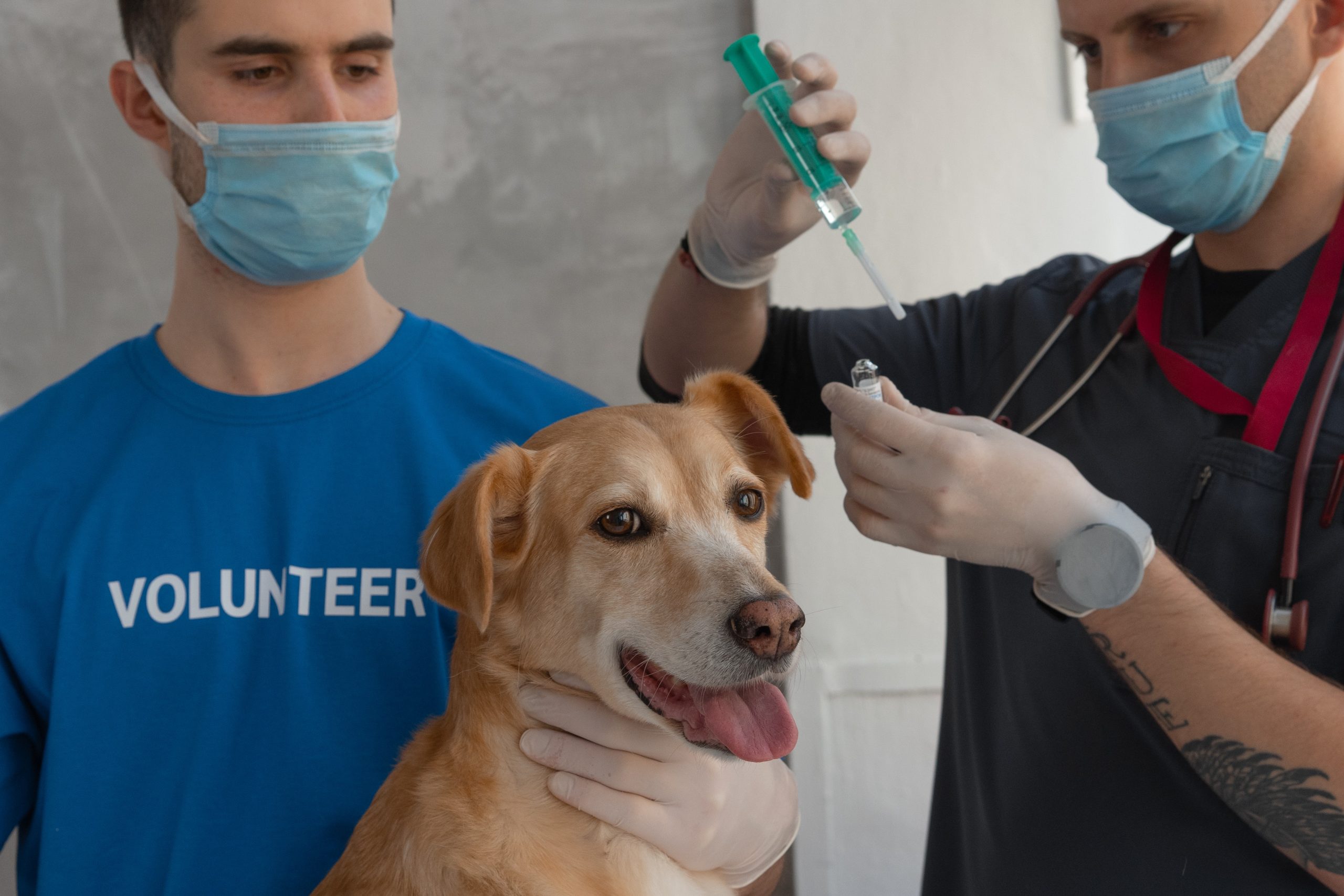
    When it comes to the health and well-being of your furry friend, a strong veterinary medical team is essential, especially during surgery. But what do all those people in the room do, and why are they necessary? In this article, we’ll provide a comprehensive breakdown of the different roles each member of the veterinary medical team plays in your pet’s surgery. By understanding their expertise, you can rest assured your pet is in the best hands possible.

    The Veterinarian

    Role and Responsibilities

    The main person responsible for your pet’s health is the veterinarian. They diagnose your pet’s condition, recommend treatment options, and oversee the entire surgical process. Their role is to manage the medical care of your pet and ensure the highest standard of care is provided throughout the surgery.

    Education and qualifications

    A licensed veterinarian holds a Doctor of Veterinary Medicine (DVM) degree from an accredited veterinary school and has passed the necessary board exams. They might also undertake additional education and training to specialize in specific areas, such as surgery or internal medicine.

    The Veterinary Surgeon

    Specialization in surgery

    Sometimes, a general veterinarian might perform the surgery; other times, a specialist veterinary surgeon may be required. Veterinary surgeons specialize in performing various surgeries on animals, ranging from routine procedures, such as spaying and neutering, to more complex operations, like repairing fractures and removing tumors.

    Education and qualifications

    A veterinary surgeon completes additional education and training beyond that of a general veterinarian, including a lengthy internship and residency, to acquire specialized surgical skills. They have advanced knowledge in managing surgical cases, making them an invaluable member of the veterinary medical team.

    The Veterinary Anesthesiologist

    Monitoring and administering anesthesia

    To ensure your pet’s comfort and safety, a veterinary anesthesiologist may be involved in their surgery. These specialists are responsible for administering the anesthesia and monitoring your pet’s vital signs throughout the procedure. They adjust the anesthesia level as needed to ensure a smooth and safe surgical experience for your pet.

    Education and qualifications

    Like veterinary surgeons, veterinary anesthesiologists have undergone advanced education and training to specialize in their field. They are skilled in managing the unique risks and complications that can arise during anesthesia in animals, making sure your pet remains stable and comfortable from start to finish.

    Veterinary Technicians/Nurses

    Roles and responsibilities in surgery

    A veterinary technician or nurse is an essential part of any surgical team. They provide valuable support in various ways, including preparing your pet for surgery, assisting the surgeon during the procedure, and monitoring your pet during recovery. Their precise attention to detail ensures the best possible care for your furry friend.

    Education and qualifications

    Veterinary technicians/nurses are trained professionals who have completed a two- or four-year program and passed a national certification exam. They are skilled in monitoring anesthesia, administering medications, and assisting with surgical procedures.

    Pre-operative care and post-operative care

    In the days leading up to the surgery and during the recovery period, veterinary technicians/nurses will be closely involved in your pet’s care. They play a crucial role in preparing your pet for surgery, monitoring their post-operative recovery, and helping to educate you about appropriate home care for your pet.

    The Veterinary Assistant

    Supporting the veterinary team during surgery

    Veterinary assistants are vital support staff who help make sure everything runs smoothly before, during, and after your pet’s surgery. They may play a variety of roles, from preparing the surgical suite to assisting with general animal handling and restraint.

    Education and qualifications

    Veterinary assistants typically complete a vocational training program or gain knowledge through on-the-job training. While they may not have formal veterinary degrees, they provide essential support that keeps the surgical team functioning effectively.

    Choosing the Right Animal Hospital

    Importance of selecting an experienced team

    It’s crucial to choose an experienced veterinary medical team, which may include a vet internal medicine specialist, when it comes to your pet’s surgery. Look for a facility with a stellar reputation, and don’t be afraid to ask questions about the credentials and experience of the team members involved in your pet’s care. By finding a trustworthy team, you’re empowering them to provide the best possible care for your beloved pet.

    Assessing the hospital’s equipment and facilities

    A well-equipped animal hospital will have state-of-the-art surgical facilities, diagnostic tools, and a dedicated team of professionals ready to care for your pet. Make sure the hospital has the necessary resources available to handle your pet’s specific surgical needs. This might include access to a lab for animals in Punta Gorda, FL if your pet requires specialized care.

    Pre-operative Care

    Pre-surgical testing and evaluation

    Before your pet’s surgery, the veterinary team will perform a thorough evaluation to ensure your pet is a suitable candidate for the procedure. This may involve blood tests, x-rays, and other diagnostic measures to assess your pet’s overall health and to determine the safest and most effective approach to their surgery.

    Preparing your pet for surgery

    The veterinary team will provide you with detailed instructions on how to prepare your pet for surgery. This may include withholding food and water, administering medications, or applying specific topical treatments as advised. Following these guidelines carefully will help ensure your pet’s safety and optimize their chances of successful surgery and recovery.

    Post-operative Care and Recovery

    Monitoring your pet after surgery

    Post-operative care is a crucial part of your pet’s surgical recovery. The veterinary team will monitor your pet closely for any signs of complications, such as infection or adverse reactions. They will also ensure your pet remains comfortable by managing pain and providing appropriate supportive care.

    Administering medications and following home care instructions

    At discharge, the veterinary team will provide you with detailed instructions for managing your pet’s post-operative care at home. This may include administering medications, managing wound care, and following specific activity restrictions. Adhering to these instructions will promote a smooth recovery for your beloved pet.

    Recognizing potential complications and when to contact your veterinary team

    It’s important to familiarize yourself with the potential complications associated with your pet’s surgery, so you know what signs to watch for. If you notice anything unusual or concerning, don’t hesitate to contact your veterinary team for advice or to schedule a follow-up appointment.

    Veterinary Surgery Procedures and Laboratories

    Veterinary surgery procedures can range from routine spays or neuters to more complex operations, like cat surgery in Punta Gorda, FL. The surgical team’s expertise and the available facilities play a huge role in the success of the surgery. Veterinary labs are essential for pre-operative diagnostics and monitoring, helping your pet receive the best possible care.

    Conclusion

    Understanding the roles and responsibilities of the veterinary medical team involved in your pet’s surgery is an essential part of ensuring their safety and wellbeing. Trusting your pet’s care to a skilled and compassionate team that includes a reputable veterinarian, veterinary surgeon, anesthesiologist, and support staff will maximize your pet’s chances of a smooth and successful surgery. With the right team behind you and your pet, you can rest easy knowing your beloved companion is in good hands.
  • How Often Should Your Aging Pet Visit the Vet?

    How Often Should Your Aging Pet Visit the Vet?

    As our beloved four-legged friends mature, so do their healthcare needs. With age comes new challenges and more frequent vet visits. Understanding the intricacies of elderly pet care, understanding common health conditions, and adapting to these changes can help you ensure your venerable companion enjoys golden years filled with love and good health. So, how often should your aging pet see a veterinarian?

    Frequency of Vet Visits for Aging Pets

    The initial stages of aging call for semi-annual vet visits. If they have no pre-existing conditions, that’s the bare minimum. These routine checkups include a comprehensive physical examination and geriatric cat care for felines, encompassing a history review, vital sign checks, head-to-tail physical examination, and vaccination updates. The same applies to dogs, albeit the care set is somewhat different.

    However, it’s the geriatric screenings that are critically important for aging pets. These screenings involve blood work, urinalysis, fecal tests, parasite tests, heartworm checks, and others rooted in genetic predisposition. These screenings are essential as they help detect progressive diseases in their early stages, thus ensuring timely intervention, symptom management and possibly prolonging your pet’s life significantly.

    Understanding Your Aging Pet’s Health

    Aging pets often develop various health problems. Below are some common health conditions you should look out for:

    Arthritis

    Arthritis, a degenerative joint disease, affects a significant number of aging pets, causing them pain during movement.

    Kidney disease

    Kidney disease often presents as increased thirst or urination in pets, indicating that the body’s natural toxin filtration system may be impaired.

    Cancer

    Often silent until the later stages, cancer is relatively common in aging pets. Regular vet checks, including blood work and scans, are crucial for early detection and intervention.

    Hearing loss

    Note any changes in your pet’s response to commands or the surrounding noise — this could indicate progressive hearing loss due to vestibulocochlear nerve degeneration.

    Cognitive Dysfunction

    Neurological changes leading to behaviors similar to human dementia occur in an aging pet. Cognitive dysfunction is, unfortunately, a common problem as pets grow older.

    Dental Diseases

    Years of tarter and plaque buildup can degrade a pet’s oral health, leading to diseases such as periodontal disease and gingivitis. Regular dog dentist checkups can ensure healthy teeth and gums.

    Heart Disease

    Another silent killer, heart disease, often goes unnoticed until a pet develops a pronounced heart failure. Regular check-ups are crucial for early detection and timely intervention.

    Adapting to the Needs of Your Aging Pet

    With age, your pet’s needs change too. This includes dietary modifications to ensure balanced nutrition, mental stimulation for cognitive health, and home adaptations for managing mobility issues. Regular vet check ups are paramount to monitor these changes and tailor care plans accordingly. A vet can provide necessary guidance on dietary supplements beneficial to joint health, brain function, and more.

    Practical Considerations for Pet Parents

    Adapting to your pet’s aging process also includes ensuring regular vaccination updates, toenail trims, and monitoring your pet’s water intake – excessive thirst can be an early sign of certain diseases like diabetes or even kidney disease.

    Cost of Veterinary Care for Aging Pets

    With frequent vet visits and increased testing, caring for an elderly pet can be costly. A standard office visit can range from $50 – $200, a geriatric screening can cost $85 – $115, a complete blood work panel approximately $180 and more depending on where you live and the veterinarian you choose.

    Options like pet insurance can help offset some of these costs, providing peace of mind that you can always provide the best possible care for your aging pet.

    Conclusion

    Adapting to the changes as your pet ages is the key to ensuring their twilight years are comfortable and happy. Regular vet visits, early detection of age-related issues, dietary changes, and more can help make this process smoother. Your pet’s golden years can truly be golden with the right care and plenty of love.

  • Pet Boarding Preparation: Tips for a Stress-Free Experience

    Pet Boarding Preparation: Tips for a Stress-Free Experience

    Leaving our furry companion in the care of others can be daunting for pets and owners. Yet, with proper preparation and awareness of the right steps, the boarding experience can be stress-free and enjoyable. This article will guide you through the crucial do’s and don’ts when preparing your pet for boarding and provide actionable tips for a positive and exciting experience. Let’s dive in.

    Do’s: Tips for a Positive Pet Boarding Experience

    Identify a Reputable, Safe Boarding Facility

    When it comes to your pet’s well-being and happiness, thorough research is essential. Find a boarding facility by seeking recommendations from friends, family, and online reviews. Pay close attention to factors like cleanliness, safety measures, and staff’s expertise in handling pets.

    A good example of a reputable facility is the Sawtooth Animal Center. They are committed to providing a comfortable and safe environment for their furry guests, making it an excellent choice for pet owners.

    Visit the Boarding Facility Ahead of Time

    Once you’ve found a suitable pet boarding facility, pay a visit in advance. This will give you a firsthand look at the place, allowing you to ask questions and check whether it meets your pet’s needs. Observing how the staff interacts with other animals can indicate the level of care your furry friend will receive.

    Create a Checklist of Essential Pet Belongings

    Preparing a comprehensive checklist ensures your pet will have all they need during their stay. Include items such as their food, medications, blanket, toys, and written instructions for the boarding staff. Familiar belongings will offer comfort and ease your pet’s anxiety.

    Inform Boarding Staff about Your Pet’s Behavior and Needs

    Be transparent about your pet’s unique quirks and needs with the boarding facility. Share information about their diet, medications, sleeping habits, and any anxieties or medical conditions. This enables the staff to provide personalized care, creating a happier experience for your pet.

    For example, when looking for pet boarding in Bellevue, you’d want to ensure that the facility is willing and able to accommodate your pet’s specific requirements, ensuring their comfort throughout the entire stay.

    Don’ts: Mistakes to Avoid During Pet Boarding Preparation

    Do Not Procrastinate on Essential Tasks

    Plan and handle logistics early to avoid last-minute stress. Reserve a spot at the boarding facility well in advance, especially during peak seasons. Ensure your pet is up-to-date on their vaccinations and have their medical records handy.

    Do Not Forget to Pack Your Pet’s Items

    As mentioned earlier, familiar items offer comfort to your pet, so never leave out their favorite belongings. This will help reduce the stress and anxiety associated with being in a new environment.

    Do Not Avoid Having Your Pet Spend Time in a Crate or Kennel

    Gradually introducing your pet to crate-like spaces can help them adapt to the boarding environment. Don’t wait until the last minute; start early and increase the duration and frequency of crate-time over time.

    Extra Tips for a Stress-Free Pet Boarding Experience

    Introduce relaxation aids such as pheromone sprays or calming supplements to help your pet feel at ease during their stay. It might also be beneficial to arrange playdates with other boarding guests, provided the facility allows it.

    If you need more information on improving your pet’s boarding experience, you can learn more here about veterinary surgery options that can help address potential health issues. This will ensure your pet is physically and mentally prepared for their boarding adventure.

    Maintaining open communication with the boarding facility staff and rewarding your pet during pickup for their good behavior can go a long way in making the experience a positive one. Remember, your pet looks to you for reassurance and guidance, and by following these tips, you can make their stay as comfortable and enjoyable as possible.

    Conclusion

    The preparations you make for your pet’s boarding experience play an essential role in ensuring a stress-free stay for you and your furry companion. By being proactive with your planning, understanding the do’s and don’ts, and paying attention to your pet’s individual needs, you can establish a positive boarding experience. Doing so’ll create lasting memories and leave you with peace of mind knowing your beloved friend received the care and attention they deserve, even when you’re not around.

  • When Should You Worry About Your Pet’s Cough? Expert Advice Revealed

    When Should You Worry About Your Pet’s Cough? Expert Advice Revealed

    As a pet owner, it’s essential to understand when a dog’s cough is a cause for concern. But deciphering between a minor irritation and a severe health issue is not always easy. In this article, we’ll delve into the various reasons behind a dog’s cough, how to identify severe cases, and what steps to take regarding treatment and prevention. So let’s unravel the mystery surrounding dog coughs and help keep your furry friend healthy and happy.

    Common Causes of a Dog’s Cough

    A dog may cough for many reasons, ranging from mild to severe. Here are some of the most common causes:

    Throat Irritation in Dogs

    Often, dogs cough simply because their throat is irritated. Common irritants include inhaling water, smoke, or a particular scent. While occasional coughing due to throat irritation is usually regular, keeping an eye on your dog and ensuring the cough doesn’t worsen is essential.

    Allergies in Dogs

    Like humans, dogs can suffer from allergies due to airborne allergens such as pollen, dust, and smoke. In addition to coughing, dogs with allergies may sneeze, have a runny nose, itch, and experience watery eyes. If you suspect your dog has allergies, it’s worth consulting with a veterinary specialist for treatment options. Don’t hesitate to make an appointment to help improve your dog’s quality of life.

    Upper Respiratory Infections in Dogs

    Persistent coughing could indicate a respiratory infection, such as kennel cough or canine influenza. Although most dogs recover from these infections, it’s essential not to ignore persistent coughing. Remember, regular vaccinations are crucial in keeping your pet healthy and protected.

    Tracheal Collapse in Dogs

    Tracheal collapse occurs when the trachea is partially or fully crushed. This condition typically affects small breed dogs and overweight dogs who frequently pull on their collars. The signature honking cough is a tell-tale sign of tracheal collapse, and it’s vital to see a veterinarian as soon as possible if you suspect this issue.

    Lung Conditions in Dogs

    Lung conditions, such as chronic bronchitis and lungworm infections, can also prompt coughing in dogs. If you notice persistent coughing and labored breathing in your dog, consult a veterinarian for proper diagnosis and treatment.

    Working with a veterinary cardiology specialist can provide in-depth care for your pet’s heart condition in cases of suspected heart disease. If heartworm infection is suspected or diagnosed, treatment from a veterinary professional is critical to prevent complications and protect your dog’s health.

    Foreign Body in Dog’s Throat

    Dogs can also cough when they have swallowed a foreign object lodged in their throat or airway. In these cases, seeking immediate veterinary care is crucial, as this can pose a significant health risk to your pet.

    Signs of a Serious Cough in Dogs

    Although a mild cough is typically not a cause for concern, there are signs to watch for that may indicate a more serious issue:

    • Persistent coughing
    • Worsening cough over time
    • Difficulty breathing
    • Showing signs of pain
    • Coughing up blood or blood-tinged liquid
    • Unusual coughing sounds
    • Coughing during sleep

    Seek veterinary care if you notice any of these severe signs in your dog.

    When to Seek Emergency Vet Care for Your Dog’s Cough

    Some situations warrant immediate emergency veterinary attention. These include:

    • Struggling to breathe
    • Blue or pale mucus membranes
    • Signs of tracheal collapse
    • Foreign objects lodged in the throat or airway
    • Coughing up blood or blood-tinged liquid
    • Signs of heart failure
    • Suspected distemper infection
    • Significant pain

    If your dog is experiencing any of the above, seek emergency veterinary care as soon as possible.

    Treatment Options for Coughing in Dogs

    The treatment for your dog’s cough will depend on its cause. A veterinarian will diagnose the underlying issue and recommend appropriate treatment options, ranging from medications to surgery in extreme cases.

    In certain instances, working with a veterinary internist in Westminster may provide a more comprehensive approach to diagnosing and treating your dog’s respiratory issues. These specialized practitioners have in-depth knowledge of internal medicine and can offer advanced treatment options for complex conditions.

    Preventative Measures and Maintaining Your Dog’s Health

    While not all causes of coughing can be prevented, there are steps you can take to maintain your pet’s overall health. These include:

    • Regular veterinary check-ups and vaccinations
    • Maintaining a healthy weight
    • Proper grooming and hygiene
    • Using a harness instead of a collar to prevent pressure on the trachea

    By taking these preventative measures, you can protect your dog from many health issues and enjoy a happy, healthy life together.

    The Takeaway

    Dealing with a dog’s cough can be confusing and concerning for pet owners. Understanding common causes, signs of a severe cough, and treatment options can help you provide the best care for your furry best friend. Remember to pay attention to your dog’s symptoms, consult with veterinary professionals when needed, and take necessary preventative measures to ensure your beloved companion’s happy, healthy life.

  • Preparing Your Pet for Surgery: Transportation, Personal Affairs, and What to Expect

    Preparing Your Pet for Surgery: Transportation, Personal Affairs, and What to Expect

    Preparing your furry friend for surgery can be stressful and emotional for both of you. This comprehensive guide is designed to help you navigate this process easily, ensuring that you both feel prepared and at ease. Here’s everything you need to know about making your pet safe and comfortable, including transportation, personal affairs, and what to expect.

    Initial Preparations

    Scheduling Veterinary Appointments Before Surgery

    In the weeks leading up to your pet’s surgery, scheduling one or more veterinary appointments is crucial. These visits enable your vet to thoroughly understand your pet’s health by discussing past issues, ongoing treatments, and any behavioral concerns. With an in-depth medical history, your vet can ensure your pet is ready for surgery.

    Assessing Your Pet’s Weight and Overall Health

    Your pet’s weight and overall health are vital to their readiness for surgery. If your pet is overweight, your vet might recommend a weight-loss program. This will help minimize the risks associated with general anesthesia, improve mobility after surgery, and speed up recovery.

    Pre-surgery Testing and Checkups

    Bloodwork

    Your vet may recommend blood tests to examine your pet’s organ function and overall health. These tests help detect subtle internal issues that could introduce additional risks during surgery. This step is crucial for minimizing complications with anesthesia.

    Radiographs and Ultrasounds

    Radiographs and ultrasounds are other essential tests that aid in detecting internal issues. Testing your pet before surgery allows your vet to consider all relevant factors and plan for a smooth procedure.

    Grooming and Personal Affairs

    Importance of Bathing and Grooming Your Pet Before Surgery

    A clean pet is better prepared for surgery, so bathe and groom them the week before their procedure. This will help support optimal hygiene, as you won’t be able to groom your pet immediately after surgery while their incision is healing.

    Planning Transportation to and From the Veterinary Hospital

    Organizing your pet’s transportation to and from the vet’s office is essential, especially if you have a large or giant breed dog. Consult your vet for the safest and most efficient way to transport your pet while healing from surgery. Make sure to have a comfortable resting place prepared for your pet’s return home after the surgery. Secure an appropriately sized crate beforehand for pets required to rest in a crate.

    Boarding

    If you are considering boarding options for your pet before or after surgery, you may want to look for a facility experienced in caring for recovering pets. Check here for more information on recovery care options and special services provided by local facilities.

    The Night Before Surgery

    Following your veterinarian’s guidance is key during the night before surgery. In most cases, you will be asked to withhold food and water from your pet after midnight. Ask your veterinarian about withholding any medications until after the procedure. If your pet stays overnight before the surgery, be prepared with necessary supplies, such as food, medication, and other items.

    The Morning of the Surgery

    Ensure your pet does not consume food or water on the morning of their surgery. Abiding by these restrictions is essential, as eating or drinking could increase the risk of aspiration during anesthesia, which is potentially life-threatening. Upon arriving at the scheduled drop-off time, calmly hand your pet to the veterinary staff.

    The clinic might be busy on surgery day, so being punctual and composed will help ensure a smooth experience. Your pet might undergo some last-minute testing before surgery to minimize anesthetic risks. Provide the reception staff with the correct contact details for receiving updates on your pet’s condition.

    Post-surgery Care and Recovery

    Caring for Your Pet’s Surgical Incision

    Be attentive to your pet’s post-surgery incision, ensuring it stays dry and clean. This approach helps prevent infection and facilitates the healing process. If you notice signs of infection, seek veterinary assistance immediately.

    Administering Post-surgery Medication

    Follow your vet’s advice regarding post-surgery medication and care. Timely administration is critical; it will help manage your pet’s pain and promote recovery.

    Pet Surgery

    Sometimes, your pet may need specialized surgery, such as an operation performed by a veterinary surgeon in Lafayette. Be sure to discuss this type of treatment with your veterinarian, who can guide and recommend your specific needs.

    Understanding and Managing Your Pet’s Recovery Time

    Every pet’s recovery journey is different, so it’s essential to comprehend your pet’s unique needs and timeline. Please communicate with your vet and adhere to their advice to ensure your pet’s recovery.

    Conclusion

    Proper preparation is essential for ensuring a smooth surgical experience for your pet. Please stay in contact with your veterinarian throughout the process and follow their guidance for the best possible results. By taking these steps, you’ll support your beloved pet through the recovery journey, ensuring they return to full health in no time.

  • The Role of Veterinary Labs in Diagnosing and Managing Parasite Infections in Pets

    The Role of Veterinary Labs in Diagnosing and Managing Parasite Infections in Pets

    Parasite infections are a common issue pets face and can significantly impact their health and well-being. Detecting and treating these infections early ensures your pet remains healthy and happy. Veterinary labs play a crucial role in diagnosing and managing these infections and are supported by other essential services like dog vaccination and advanced vet surgery animal clinic procedures. 

    From Detection to Treatment

    This section will explore the role of veterinary labs, their collaboration with other pet healthcare fields, and how they contribute to detecting, treating, and preventing parasite infections.

    Understanding Parasite Infections in Pets

    To begin with, it’s essential to have a basic understanding of the different types of parasite infections that can affect pets:

    • Internal parasites: Such as worms (e.g., roundworms, tapeworms, and heartworms) that infect the gastrointestinal tract, heart, or lungs
    • External parasites: Including fleas, ticks, and mites that typically infest a pet’s skin and fur

    Both parasites can cause various health issues in pets, ranging from mild discomfort to severe illness. 

    The Vital Function of Veterinary Labs in Detecting Parasite Infections

    Early detection of pet parasite infections is essential for prompt treatment and for preventing more severe health complications. This is where veterinary labs come into play. An animal clinic with vet lab can efficiently and accurately diagnose parasitic infections through advanced diagnostic testing such as:

    • Fecal examinations to detect intestinal parasites
    • Blood tests for identifying heartworm, as well as tick-borne diseases
    • Skin scrapings and cytology for diagnosing external parasites or related infections

    These tests help veterinarians pinpoint the source of your pet’s health issue, enabling them to devise and implement the best possible treatment plan.

    The Role of Pet Vaccination and Parasite Prevention in Protecting Your Pet

    Preventive care is the first line of defense against parasite infections in pets. Regular vaccination for dogs and other pets are integral to this prevention. Pet vaccinations can help protect against diseases often transmitted by parasites, such as Lyme disease or heartworm. 

    In addition to vaccinations, your veterinarian may also recommend preventive medications like:

    • Flea and tick preventives
    • Heartworm prevention
    • Deworming medications

    These medications can help keep your pet parasite-free and maintain their overall health.

    Veterinary Surgery and Treatment Options for Parasite Infections

    In some cases, surgical intervention may be required to treat a parasite infection, especially if it causes severe complications. A vet surgery animal clinic offers a wide range of surgical procedures to address these issues, such as: effectively

    • Surgical removal of parasites causing obstruction or severe damage to organs
    • Minimally invasive surgery for addressing issues related to the skin and fur caused by external parasites

    Alongside surgery, veterinarians also provide medical treatment options like prescribing necessary medications to eliminate the parasites and manage related symptoms.

    Conclusion

    The multidimensional collaboration between preventive care, veterinary lab technology, and veterinary surgery is crucial to ensuring the early detection, accurate diagnosis, and effective treatment of parasite infections in our beloved pets. 

    By taking advantage of pet vaccinations, routine lab tests, and timely interventions with surgical or medical treatments, you can protect your companion from the harm caused by parasite infections and ensure their continued health and happiness.

  • Pet Emergency? Find Out Where to Locate Same-Day Veterinarians Near You and Ensure Your Pet Receives Timely Care

    Pet Emergency? Find Out Where to Locate Same-Day Veterinarians Near You and Ensure Your Pet Receives Timely Care

    Your pet’s health and well-being are of utmost importance to you. Emergencies can happen at any time, and it’s crucial to know where to find a same-day veterinarian for prompt, professional care. This article will give you the information you need to locate same-day veterinarian services, pet surgery, and pet internal medicine near you, ensuring your furry friend gets the help they need when it matters most. 

    Why Same-Day Vet Services Matter

    When your pet has a medical emergency or is experiencing serious pain or discomfort, waiting for an appointment could have detrimental effects on their health. This is where same-day vet services step in – providing quick, efficient care to diagnose and treat your pet. Popular websites online can help you find these services, guaranteeing timely attention to your pet’s condition.

    The Need for Pet Surgery

    Surgery could be necessary for various reasons, from fractures to masses and tumors or serious infections. It’s vital to have access to a reliable and professional surgery center that can perform any urgent procedure. Same-day surgical centers are equipped for various pet surgeries, ensuring your fur baby returns to their happy, healthy self. It’s worth mentioning that , link connections in your region can help you find the closest surgical center to your location.

    Importance of Pet Internal Medicine

    For some health issues, your pet may require specialized care, which falls under the category of vet internal medicine. These experts address issues such as kidney disorders, hormonal imbalances, gastrointestinal issues, and more. Timely intervention by these specialists can significantly improve your pet’s prognosis and overall quality of life. Hence, it’s essential to be aware of local experts in this field.

    How to Find Same-Day Veterinarian Services Near You

    • Search Online: Utilize search engines to find same-day vet services in your area by typing in relevant keywords and your location.
    • Ask Fellow Pet Owners: Collect information from friends, family, and neighbors who own pets. They can provide valuable recommendations and experiences.
    • Use Online Directories: There are online resources, such as Yelp, that provide listings and reviews of veterinary services near you.
    • Contact Local Veterinary Clinics: Reach out to your local vet clinics and ask if they provide same-day services or if they can recommend someone who does.

    Preparing for a Pet Emergency

    • Keep Important Numbers Handy: Save emergency contacts like your regular vet, emergency care centers, and poison control hotlines in your phone or post them visibly in your home.
    • Produce a First Aid Kit: Having essential medical supplies could be life-saving for your pet in case of an emergency.
    • Know the Signs of Distress: Familiarize yourself with symptoms of illness or distress in your pet, and be ready to act if they show any.
    • Create a Pet Emergency Plan: Prepare a plan and discuss it with your family members or pet sitters so everyone is aware of the necessary steps to take in case of a pet emergency.

    Conclusion

    Your pet’s health depends on your ability to recognize emergencies and access prompt, professional care. Same-day vet services, pet surgery, and pet internal medicine could be crucial in improving your fur friend’s condition, making it important to have all the necessary information. By locating these services near you and knowing how to react in a pet emergency, you’re ensuring your pet’s health and happiness for the years to come.

  • Wild Boar and Dove Hunting: Most Popular Hunting Experiences Worldwide

    When it comes to hunting, different people have their preferences for the type of game they pursue. Among the many hunting options available, wild boar and dove hunting continue to capture the attention of hunters around the globe.

    This article will explore why these two particular hunting experiences remain enduringly popular, diving deep into their culture, techniques, locations, conservation contributions, and legal aspects. Read on to discover more about the intriguing world of wild boar and dove hunting.

    Wild Boar Hunting

    Description of Wild Boar

    Wild boar hunting is an exhilarating, challenging branch of big game hunting. These large, aggressive animals provide hunters with both an adrenaline rush during the hunt and a tasty reward afterward. Having populated the earth for centuries, wild boars are often hunted for both sport and food.

    Wild Boar Hunting Techniques

    Hunters use various techniques to target wild boars. One common method is employing specially trained hunting dogs, such as the famous bay or catch dogs. These canines help locate and corner the boars, making it easier for hunters to approach and take the shot. Other popular techniques include archery and firearms like rifles or shotguns.

    Wild Boar Hunting Locations

    Wild boar can be found in many parts of the world, including Europe, the United States, and Asia. Some countries, such as France and Germany, are particularly renowned for their wild boar hunting opportunities. States like Texas, Florida, and Georgia boast thriving wild boar populations in the United States. However, wild boar hunting in California is also gaining traction, offering hunters a chance to pursue these animals in the picturesque landscapes of the Golden State.

    Hunting Seasons for Wild Boar

    The hunting season for wild boars usually varies by location, with specific rules and regulations applied to ensure sustainability. Generally, the best time to hunt wild boar is during the cold winter months when their food resources dwindle, and they are more likely to move from their natural habitat, making them easier to locate and hunt.

    Role of Wild Boar Hunting in Wildlife Conservation

    Wild boar hunting contributes to wildlife conservation by controlling wild boar population growth, which might otherwise lead to increased crop and property damage and the spread of diseases among other animals. Responsible hunters can help maintain a healthy balance in the ecosystem through sustainable hunting practices.

    Legal Requirements for Wild Boar Hunting

    Legal requirements, such as hunting licenses and adherence to local regulations, are crucial for wild boar hunting. These requirements vary from region to region, so hunters should familiarize themselves with the rules and regulations in their chosen hunting location to ensure they are hunting responsibly and within the confines of the law.

    Dove Hunting

    Description of Dove Hunting

    Dove hunting, a branch of bird hunting, provides a fun and engaging challenge for many hunters. Doves’ quick and erratic flight patterns can test a hunter’s marksmanship skills, and their tasty meat serves as an appealing reward after a successful hunt.

    Dove Hunting Techniques

    There are several techniques for hunting doves, one of the most popular being decoy hunting. This involves placing artificial dove decoys in the field to attract real doves, making it easier for hunters to get within shooting range. Shotguns are the preferred firearm for most dove hunters due to their widespread ability to hit multiple targets.

    Dove Hunting Locations

    Dove hunting is popular in numerous countries, such as Argentina, the United States, and Spain. Within the United States, states like Texas, South Carolina, and Arizona all offer excellent dove hunting opportunities. In recent years, dove hunting in California has also gained recognition, with hunters taking advantage of the state’s expansive public and private land hunting in California options.

    Hunting Seasons for Dove

    Like wild boar hunting, the hunting seasons for dove vary by location and are regulated to ensure sustainable populations. Generally, the best times to hunt doves are during migration and breeding seasons when their numbers are naturally higher across different regions.

    Role of Dove Hunting in Wildlife Conservation

    Dove hunting is essential in wildlife conservation, as it helps maintain healthy bird populations across various ecosystems. This is achieved through sustainable hunting practices and adherence to legal requirements that collectively work to prevent over-harvesting and protect the species future survival.

    Legal Requirements for Dove Hunting

    Like wild boar hunting, local regulations and rules must be followed when dove hunting. Hunters should always research and abide by the legal requirements in their chosen location, including obtaining hunting licenses, following bag limits, and respecting specific hunting seasons.

    Why Wild Boar and Dove Hunting are Popular

    Tradition

    One significant factor contributing to the popularity of wild boar and dove hunting is tradition. These hunting experiences are often passed down through generations, with many hunters valuing the cultural significance and learning experiences that these traditions provide.

    Adventure

    Another driving factor is the adventure and excitement that wild boar and dove hunting offers. Venturing into the great outdoors to pursue challenging and elusive prey connects hunters with nature while providing thrilling experiences that leave lasting memories.

    Social Aspect

    Many hunters also appreciate the camaraderie and social bonds formed during hunting trips. Sharing tales, experiences, and achievements creates lasting friendships and enriches the hunting experience.

    Sustainable Food Source

    Finally, wild boar and dove hunting provide a healthy, sustainable food source. Game meat hunted responsibly is hormone-free, organic, and a highly valued alternative to conventional meat products.

    Conclusion

    Wild boar and dove hunting are famous worldwide due to the unique experiences they provide, their contributions to wildlife conservation, and their rich historical and cultural significance. As responsible hunters continue to practice sustainable hunting and adhere to legal requirements, these cherished hunting experiences will endure for future generations.

  • 5 Ways to Make Pet Dental Care Easier for You and Your Pet

    5 Ways to Make Pet Dental Care Easier for You and Your Pet

    As pet owners, we naturally want the absolute best for our four-legged companions, and part of that commitment involves looking after their oral health. However, many people who own pets find it challenging to include dental care for their pets in their daily routine. If you’re one of them, there’s no need to worry; we’ve got you covered. Here are five ways to make pet dental care easier for you and your pet.

    Start Early

    The best way to make pet dental care easier is to start early. Introduce your pet to dental care when they’re still young. This way, they’ll get used to the routine, and it will become something they do every day. Start by gently feeling their gums and teeth with your fingers if you just got a new puppy or kitten. This will help them to get more relaxed with people touching their mouths.

    Use the Right Tools

    For good oral care, you need to use the right tools. Just like people, pets need to have their teeth brushed regularly to keep them healthy. Buy a toothbrush and toothpaste specifically made for your pet. Putting human toothpaste on your pet can be harmful to them. There are different types of toothpaste for pets, like chicken and beef, that your pet will love. You can also brush your teeth with oral chews and toys.

    Make It a Positive Experience

    Making dental care a positive experience is essential—associate dental care with something positive like treats or cuddles. Praise your pet when they allow you to brush their teeth or chew on their dental toys. This positive support will encourage your pet to be cooperative during dental care.

    Schedule Routine Dental Care

    Scheduling routine dental care is vital for your pet’s dental health. Regular checkups and cleanings can prevent dental problems like gum disease and tooth decay. Consult your veterinarian and visit them regularly for a routine dental checkup. They can advise you on the best dental care practices for your pet and identify any dental issues early on.

    Find a Trusted Veterinarian

    It is critical to find a trustworthy veterinarian who provides preventative dental care services. If necessary, your veterinarian can conduct dental operations such as cleanings and extractions. In addition, they can also guide you on the best dental care practices for your pet’s teeth. Do your research and choose a veterinarian who specializes in dental care. Visit this link to locate one near your area.

    Conclusion

    Pet dental care doesn’t have to be challenging. Starting early, using the right tools, making it a positive experience, scheduling routine dental care, and finding a trusted veterinarian are all ways to make pet dental care easier for you and your pet. Remember that regular oral care is important for your pet’s health and well-being as a whole. By using these recommendations, you can make sure that your pet’s smile will be healthy and bright for years to come.

  • Choosing the Right Equine Veterinarian: Tips and Criteria

    Choosing the Right Equine Veterinarian: Tips and Criteria

    Your horse’s health is paramount, and selecting an equine veterinarian you can trust and rely on is the cornerstone for ensuring their well-being. With various equine services available, such as equine vet care, equine therapy services, and equine imaging and diagnostics, choosing the right professional that meets your horse’s needs is essential. 

    Setting Your Criteria

    This section will explore tips and criteria for selecting the best equine veterinarian for your beloved horse.

    What to Look for in an Equine Veterinarian

    When choosing an equine veterinarian, it’s essential to consider the following factors:

    • Experience and Expertise: Equine medicine is a specialized field, so look for a vet with the education and hands-on experience to provide the best care for your horse.
    • Services Offered: Check if the veterinarian provides comprehensive services, such as preventative care, treatments for injuries or illnesses, equine imaging, and diagnostics.
    • Accessibility and Availability: Find a vet near your stable who has flexible hours or emergency services to handle any situation that may arise.
    • Communication Skills: Your equine veterinarian needs to be an effective communicator, informing you about your horse’s health and explaining complex procedures in an easy-to-understand manner.
    • Rapport: Ensure the veterinarian has a good rapport with you and your horse – trust and a strong relationship are vital for long-term care.

    Equine Vet Care: Providing Top-Notch Health Services

    An essential aspect of your horse’s well-being is ensuring they receive top-quality equine vet care. Practices like Florida Equine Veterinary Associates excel in providing comprehensive services to meet your horse’s diverse health needs, from routine check-ups and vaccinations to emergency medical care. When choosing an equine vet, ensure they have the expertise, up-to-date knowledge, and state-of-the-art equipment to guarantee the best care for your horse.

    The Role of Equine Therapy Services in Your Horse’s Health

    Beyond standard vet care, equine therapy services can significantly impact your horse’s overall wellness. These services can address various issues, such as muscle soreness, joint stiffness, or behavioral problems. Therapeutic modalities may include massage, chiropractic adjustments, acupuncture, and more. To learn more about the various equine therapy services available and how they can benefit your horse’s health, see this page.

    The Importance of Equine Imaging & Diagnostics

    Equine imaging and diagnostics are crucial in detecting and addressing health concerns in your horse. Modern imaging technologies, such as X-rays, ultrasounds, MRIs, and CT scans, enable your equine veterinarian to obtain detailed information about your horse’s internal system and make informed decisions about its health and treatment plans.

    When choosing an equine veterinarian, ensure their practice is equipped with up-to-date diagnostic tools to help detect potential health issues early, which can result in more effective treatments and a faster recovery time for your horse.

    Conclusion

    Selecting the right equine veterinarian is a critical decision for any horse owner, as their expertise and services can significantly impact your horse’s overall health and well-being. Take the time to research your options, considering criteria such as experience, expertise, service offerings, accessibility, communication skills, and rapport. Select a practice offering comprehensive equine vet care, therapy services, and equine imaging and diagnostics.

    By selecting the right equine veterinarian, you invest in your horse’s long-term health, ensuring they receive the best possible care and live a happy, healthy life.

Privacy Overview

This website uses cookies so that we can provide you with the best user experience possible. Cookie information is stored in your browser and performs functions such as recognising you when you return to our website and helping our team to understand which sections of the website you find most interesting and useful.